The Faecal Immunochemical Test (FIT) is a commonly used screening test for colorectal cancer that detects small amounts of hidden blood in the stool. It is often recommended as a routine screening method because it is simple, non-invasive and can be done at home. When the test detects blood in the stool, the result is reported as positive. For many people, receiving a positive FIT result can be worrying and may immediately raise concerns about colorectal cancer.
However, a positive FIT test does not necessarily mean cancer is present. Blood in the stool can occur for several reasons, including benign conditions such as haemorrhoids, inflammation, or non-cancerous polyps in the colon. The result simply indicates that further investigation is needed to determine the cause.
Understanding what happens after a positive FIT test can help reduce anxiety and allow individuals to take the appropriate next steps. Prompt follow-up testing, usually with a colonoscopy, helps doctors identify the source of bleeding and detect any potential problems at an early and treatable stage.
Many people assume they only need to be screened if they notice blood in their stool or develop bowel symptoms. However, colorectal cancer often causes few or no symptoms in its early stages. While blood in the stool can sometimes occur with colorectal cancer, it may also be caused by benign conditions such as haemorrhoids or polyps. Regular colorectal cancer screening aims to detect precancerous polyps or early-stage cancers before symptoms develop, when treatment is generally more effective and outcomes are better.
For individuals at average risk, colorectal cancer screening is generally recommended from age 50. People with a family history of colorectal cancer or other risk factors may need to begin screening earlier based on their doctor's recommendation.
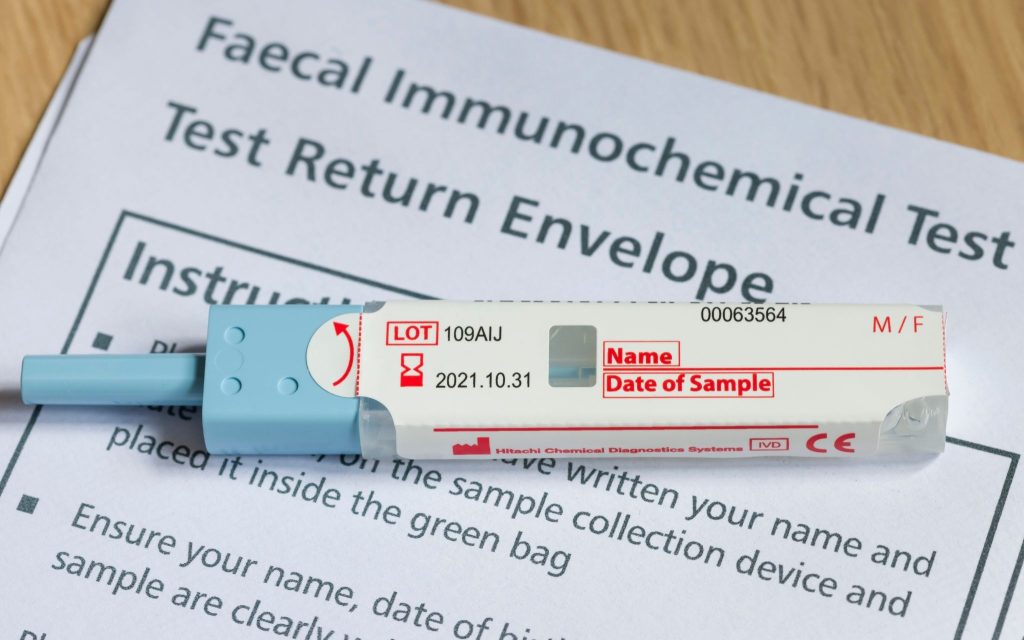
A positive FIT test means that the test has detected traces of blood in the stool sample [2]. The Faecal Immunochemical Test is designed to identify hidden blood that may not be visible to the naked eye. This blood can sometimes come from abnormalities in the colon or rectum, including polyps, inflammation or colorectal cancer.
However, a positive result does not confirm that cancer is present. The FIT test only indicates that blood has been detected and further investigation is needed to determine the source [3]. In many cases, the cause may be non-cancerous conditions such as haemorrhoids or benign polyps.
A positive FIT test does not necessarily mean that a person has colorectal cancer. The test simply detects hidden blood in the stool, and this blood can come from several different conditions, many of which are not cancerous. In fact, a significant number of people with a positive FIT result are later found to have benign causes of bleeding.
Blood in the stool may occur due to conditions such as haemorrhoids, inflammation of the colon or small tears in the lining of the rectum. Non-cancerous polyps in the colon can also bleed and trigger a positive FIT result. While some polyps have the potential to develop into cancer over time, many can be removed safely during further evaluation.
Because the FIT test cannot determine the exact cause of bleeding, a follow-up colonoscopy is usually recommended [4]. This procedure allows doctors to examine the colon directly and identify whether the bleeding is related to polyps, inflammation or other conditions that may require treatment.
The FIT test detects small amounts of hidden blood in the stool, which may come from different sources within the digestive tract. While bleeding can sometimes be linked to colorectal cancer, it may also occur due to a range of non-cancerous conditions. Identifying the underlying cause requires further evaluation, often with a colonoscopy.
Yes, haemorrhoids can sometimes cause a positive FIT test [5]. Haemorrhoids are swollen blood vessels in the rectum or anus that may bleed during bowel movements. Even small amounts of bleeding may be detected by the FIT test. Although haemorrhoids are common and usually harmless, doctors still recommend further investigation to rule out other possible causes.
Colon polyps are growths that develop on the lining of the colon. Some polyps may bleed slightly, which can trigger a positive FIT test result [6]. While many polyps are benign, certain types can develop into colorectal cancer over time. Detecting and removing polyps early is an important step in preventing cancer.
Yes, inflammation in the colon can also lead to blood in the stool. Conditions such as colitis, infections, or inflammatory bowel diseases may cause irritation and bleeding in the digestive tract. These conditions are usually treatable, but proper diagnosis is important to determine the most appropriate management.
A positive FIT test result indicates that blood has been detected in the stool, but it does not identify the exact cause. Because of this, further evaluation is necessary to determine where the bleeding is coming from and whether any abnormalities are present in the colon. Acting promptly after a positive result helps ensure that potential problems are detected and treated early.
The next steps after a positive FIT test usually include:
A colonoscopy is usually recommended after a positive FIT test because it allows doctors to directly examine the inside of the colon and identify the source of bleeding [7]. While the FIT test can detect hidden blood in the stool, it cannot determine where the blood is coming from or what condition is causing it.
During a colonoscopy, a thin flexible tube with a camera is used to carefully inspect the lining of the colon and rectum. This enables doctors to detect polyps, inflammation or other abnormalities that may be responsible for the bleeding. If polyps are found, they can often be removed during the same procedure and sent for further analysis.
Colonoscopy is considered the most reliable follow-up test after a positive FIT result because it provides a detailed view of the colon and allows both diagnosis and treatment in a single examination. This helps ensure that any potential problems are identified and managed as early as possible.
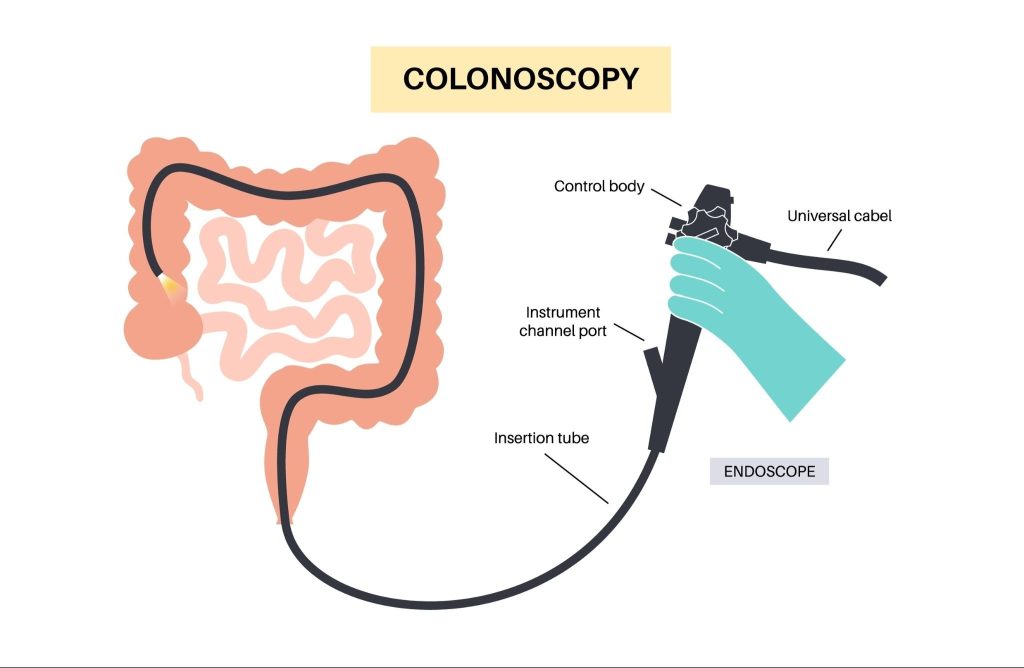
A follow-up colonoscopy is performed to examine the lining of the colon and rectum and determine the source of bleeding detected in the FIT test. Before the procedure, patients are required to undergo bowel preparation, which involves following a special diet and taking prescribed laxatives to clear the colon.
During the colonoscopy, a thin flexible tube with a small camera is gently inserted through the rectum and advanced through the colon. The camera transmits images to a monitor, allowing the doctor to carefully inspect the intestinal lining for polyps, inflammation or other abnormalities. Patients are typically given sedation to ensure comfort throughout the procedure.
If polyps or abnormal tissue are found, they can often be removed or biopsied during the same procedure. The collected samples are then sent to a laboratory for further analysis, helping doctors determine the appropriate next steps in management or treatment.
A positive FIT test indicates that blood has been detected in the stool, but it does not identify the exact cause of the bleeding. A follow-up colonoscopy helps doctors examine the colon more closely to determine the underlying condition. In many cases, the cause may be benign, although screening is important to rule out more serious conditions.
If polyps or abnormal tissue are found during colonoscopy, doctors can often remove them during the same procedure. This process, known as polypectomy, helps prevent certain polyps from developing into colorectal cancer [10]. The removed tissue is usually sent to a laboratory for examination to determine the type of polyp and whether any cancerous or precancerous changes are present.
If other abnormalities such as inflammation, ulcers or suspicious growths are detected, the doctor may take small tissue samples (biopsies) for further analysis. The results help guide the next steps in management, which may include monitoring, additional treatment or referral to a specialist if necessary. Early detection and treatment significantly improve outcomes.
In some cases, a colonoscopy performed after a positive FIT test may not find any abnormalities in the colon. This can happen if the bleeding detected by the FIT test was caused by a minor or temporary condition that has resolved or if the blood originated from another benign source.
When colonoscopy results are normal, the doctor will usually advise returning to routine colorectal cancer screening at the recommended interval based on the individual’s age and risk factors. A normal colonoscopy is reassuring, but regular screening remains important to detect any future changes in the colon.
A positive FIT test can understandably cause concern, but it is important to remember that the result does not automatically mean colorectal cancer is present. The test simply detects hidden blood in the stool, which can occur for several different reasons, including benign conditions such as haemorrhoids, inflammation or colon polyps. Because the FIT test cannot determine the exact source of bleeding, a follow-up colonoscopy is usually recommended to examine the colon more closely.
Colonoscopy allows doctors to identify the cause of bleeding and detect conditions such as polyps, inflammation or colorectal cancer. In many cases, polyps can be removed during the same procedure, which helps prevent them from developing into cancer. Even when the colonoscopy does not reveal any abnormalities, the examination provides reassurance and helps guide future screening recommendations.
Prompt follow-up after a positive FIT result plays an important role in early detection and prevention of colorectal cancer. If you have received a positive FIT test result or are concerned about colorectal cancer screening, schedule a consultation with Dr Aaron Poh for a comprehensive evaluation and personalised advice on the most appropriate next steps.


Copyright © Alpine Surgical Practice | Terms & Conditions


'/%3E%3C/svg%3E)


