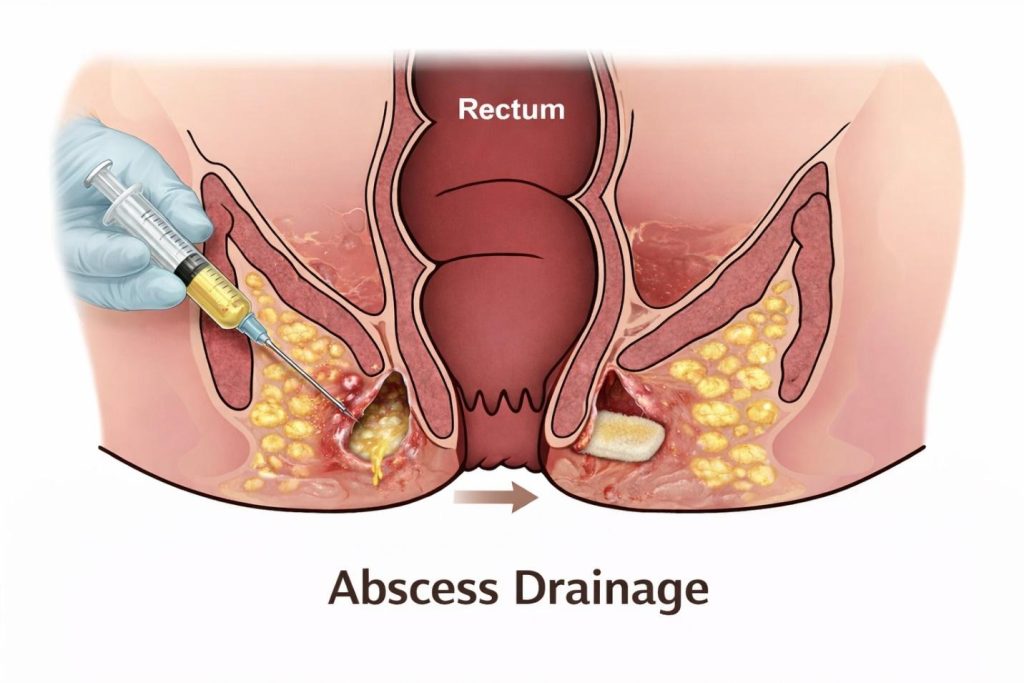
An abscess forms when infection causes pus to collect within a confined space in the tissue, and as it enlarges, it can cause pain, swelling and inflammation. Because the infection is sealed off from the body's normal defences, antibiotics alone are often not enough, and abscess drainage is required.
In colorectal practice, abscess drainage is commonly performed for infections affecting the area around the anus and rectum, although abscesses can occur in other parts of the body as well.
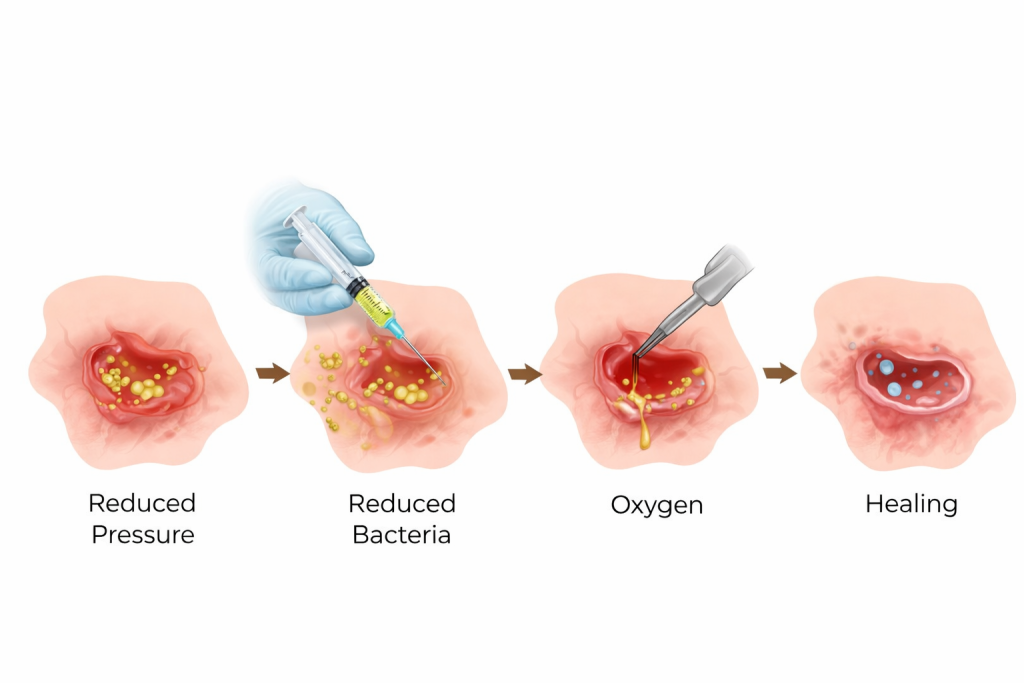
Abscess drainage works by opening the infected cavity and removing the accumulated pus. Once the pus is released, several important changes occur that allow the area to heal:
Not every infection requires drainage. The procedure may be recommended in situations such as:
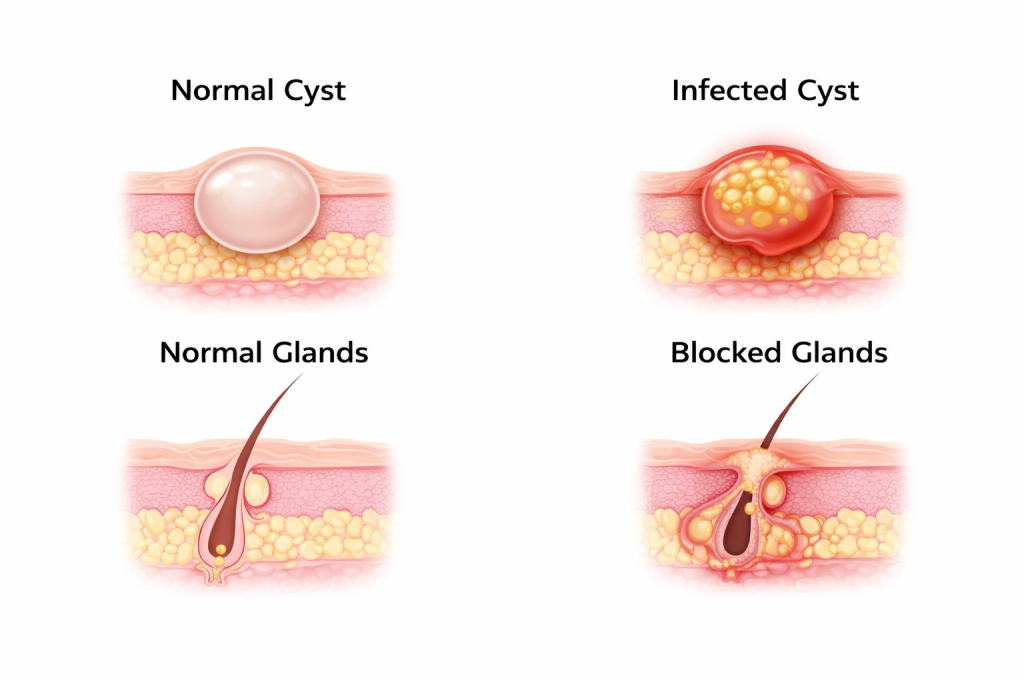
The treatment may be recommended for several types of infections, including:
Some of the potential benefits are:
Abscess drainage is a commonly performed procedure and is generally safe. As with any medical treatment, however, certain risks may occur.
This may include:
The treatment is generally straightforward and commonly involves the following steps:
Dr Aaron Poh will first examine the affected area and confirm that an abscess is present. In some cases, imaging tests such as ultrasound or CT scans may be used to assess deeper infections.
The procedure is usually performed under general anaesthesia. Drainage under local anaesthesia can be performed in selected cases. Local anaesthesia will numb the area, ensuring that the procedure can be performed with minimal discomfort.
Once the area is numbed, a small incision is made over the abscess to allow the trapped pus to drain. The infected cavity may then be gently cleaned with sterile fluid to remove remaining debris or bacteria.
Depending on the size of the abscess, the cavity may be left open or a small dressing may be placed inside to allow continued drainage while healing takes place.
The procedure itself is usually brief, although more complex abscesses may require treatment in a surgical setting.
After drainage, patients may notice mild soreness or continued drainage from the wound for several days. Dressings may need to be changed regularly while the cavity gradually heals.
Most individuals experience significant relief of pressure and pain once the abscess has been drained. Our doctor may also recommend follow-up care to ensure the infection resolves fully and healing progresses as expected.
While the idea of popping or cutting it open yourself might seem like a faster fix, this is not something to attempt without medical supervision, and doing so can lead to serious complications. You should not cut the abscess yourself because:
Visiting a doctor for abscess drainage ensures the procedure is carried out in a sterile environment, reducing the risk of introducing further infection. It also means the drainage is performed by someone with a thorough understanding of tissue structure and anorectal anatomy, who can safely access and fully clear the affected area while avoiding damage to surrounding muscles and nerves.

Most patients experience significant relief from pain and swelling once the abscess has been drained. Healing typically occurs over the following days to weeks as the body gradually closes the cavity.
The aftercare may include:
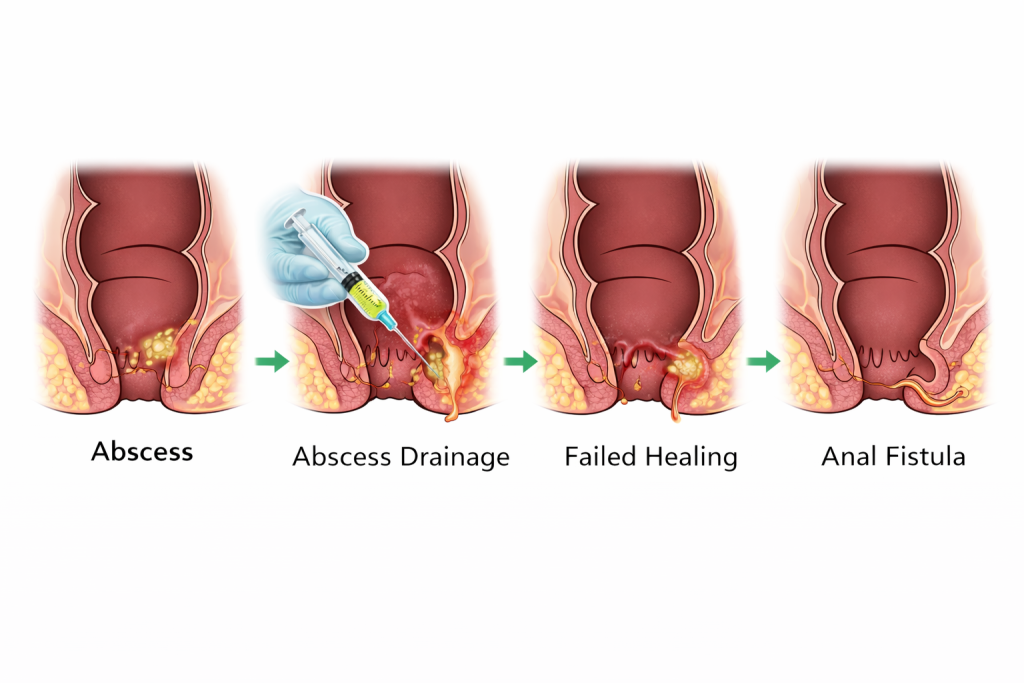
In some cases, additional treatment may be recommended if an underlying condition, such as an anal fistula, develops.
While many abscesses can be treated through a scheduled consultation, some cases require urgent drainage. Signs that the infection may be spreading beyond the abscess itself include:
These can be signs that the infection is moving into the bloodstream or surrounding tissue, which can become serious quickly if left untreated. In such cases, seeking immediate medical attention rather than waiting for a routine appointment allows the abscess to be drained promptly, reducing the risk of complications such as sepsis or the infection tracking further into deeper tissue.
If you're experiencing any of these symptoms, don't wait it out. Contact us for an urgent appointment so the abscess can be assessed and drained as soon as possible.
The procedure is usually performed under general anaesthesia with local anaesthesia performed in selected cases. For local anaesthesia cases, patients may feel some pressure during the procedure, but significant pain is uncommon.
Initial relief from pain often occurs soon after drainage. Complete healing may take several days to a few weeks, depending on the size and location of the abscess.
Yes, recurrence is possible if the underlying infection persists or if an associated condition, such as an anal fistula, develops.
Small abscesses may occasionally rupture and drain spontaneously. However, medical evaluation is recommended because untreated infections may worsen or recur.
Antibiotics may help control infection, but often cannot penetrate the pus-filled cavity effectively. However, it is still reasonable to consider a trial of antibiotics in selected cases. Drainage is usually required to remove the trapped infection.
Common signs include a painful, swollen lump, redness of the skin, warmth in the affected area and sometimes fever or general discomfort.
Prompt evaluation is recommended once symptoms develop. Early drainage helps relieve pain and reduces the risk of the infection spreading.
Yes, some abscesses may rupture and drain spontaneously. However, the infection may not fully clear and the cavity can refill with pus. Medical evaluation is recommended to ensure the infection is properly treated.
If it is left untreated, an abscess may continue to enlarge and cause increasing pain and inflammation. In some cases, the infection may spread to surrounding tissues or lead to complications such as fistula formation, particularly with perianal abscesses.
The decision to drain an abscess does not depend solely on its size. Factors such as pain, swelling, signs of infection and the location of the abscess are also considered. Many symptomatic abscesses benefit from drainage even if they are relatively small.
In most cases, patients can shower after the procedure, although specific instructions may vary depending on the location of the abscess and the type of dressing used. Gentle cleaning of the area and proper wound care help support healing.
A small scar may remain after healing, particularly if the abscess was large. However, the incision used for drainage is typically small and designed to allow proper healing while minimising scarring.


Copyright © Alpine Surgical Practice | Terms & Conditions


'/%3E%3C/svg%3E)


