
Abdominal trauma refers to any significant injury to the abdomen, a region that houses vital organs including the intestines, liver, spleen and stomach, along with major blood vessels and surrounding tissues. Because these structures are essential to core bodily functions, trauma to this area can have serious consequences and requires prompt medical attention.
Abdominal trauma may occur during everyday incidents such as falls, vehicle accidents or sports injuries and is generally classified into two main categories:
In some cases, symptoms appear immediately, while in others they may develop gradually as internal bleeding or inflammation progresses. Because injuries to internal organs are not always visible externally, medical assessment is important following any significant abdominal injury.

The trauma can occur in a variety of situations where the abdomen is exposed to sudden impact or penetrating injury, such as:
Symptoms vary depending on the severity and location of the injury. While some individuals experience immediate discomfort, others may develop symptoms gradually.
Some of the possible symptoms include:
More serious injuries may cause symptoms related to internal bleeding, such as:
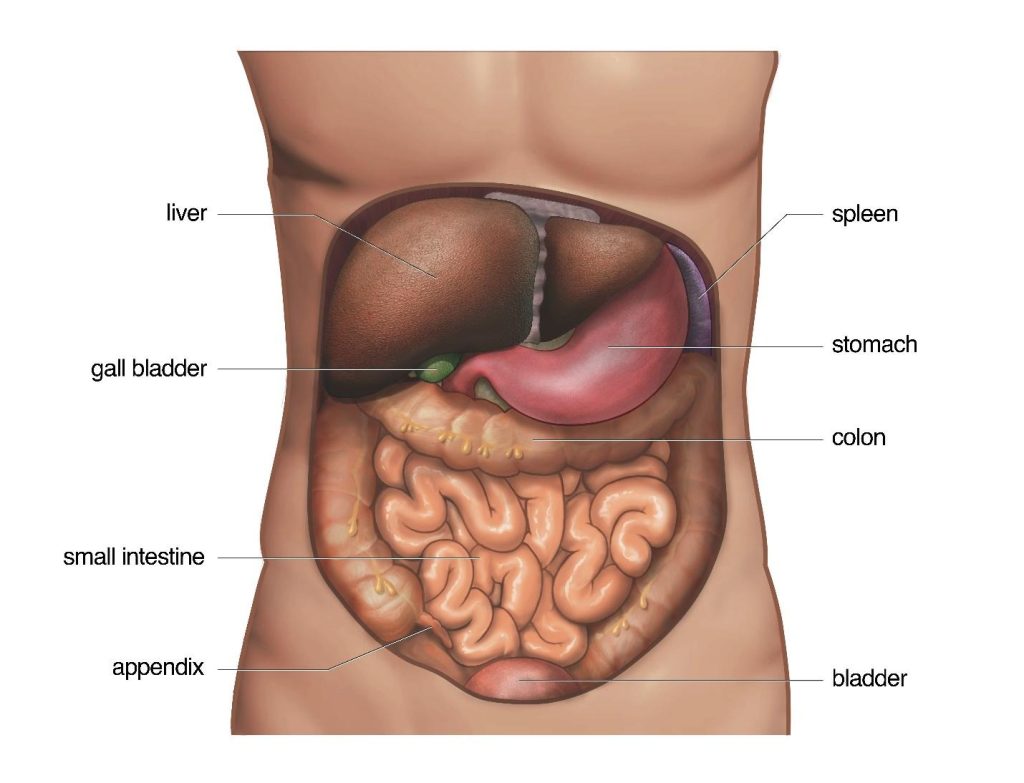
Because the abdomen contains multiple vital organs, trauma may affect different structures depending on the location and force of injury. This can include:
Abdominal trauma requires prompt medical evaluation because delayed treatment may lead to complications, such as:

When abdominal injury is suspected, Dr Aaron Poh performs a structured evaluation to determine whether internal injuries are present. The assessment typically includes:
The goal of treatment is to stabilise the patient, repair injured structures and prevent complications. Meanwhile, the method of treatment depends on the extent of the injury and whether internal bleeding or organ damage is present, which may involve:

Abdominal injuries can sometimes feel minor at first, especially if there are no obvious external wounds. However, because the abdomen contains several important organs, it is often helpful to have symptoms assessed by a doctor when discomfort persists or when the injury is significant.
A specialist can evaluate how the injury occurred, assess your current symptoms and determine whether further investigations are needed. In many cases, this reassurance alone can help confirm that the injury is minor and is recovering as expected. When further assessment is necessary, imaging tests may be arranged to provide a clearer picture of the internal organs.
Seeking medical advice early allows concerns to be addressed promptly and helps ensure that any underlying issues are identified and managed appropriately. If you continue to experience abdominal pain, swelling, nausea or unusual discomfort after an injury, schedule an appointment with Dr Aaron Poh for a detailed assessment and personalised treatment plan.
Not all abdominal injuries are severe. Many cases involve minor soft tissue bruising and recover with rest. However, because the abdomen contains several important organs, significant trauma should still be assessed to ensure there are no hidden internal injuries.
Abdominal trauma refers to any injury affecting the abdomen that may involve internal organs, blood vessels or surrounding tissues. It can occur due to blunt force or penetrating injury.
Early symptoms may include abdominal pain, tenderness, swelling, nausea or vomiting. Some individuals may also feel dizzy or weak if internal bleeding occurs. Because symptoms can sometimes develop gradually, it is advisable to seek medical evaluation if discomfort persists after an abdominal injury.
Yes, in some cases, symptoms may not appear immediately after the injury. Internal swelling or bleeding may develop gradually, which is why persistent or worsening symptoms over the hours or days following an injury should be assessed by a doctor.
Yes, injury to organs such as the liver or spleen may lead to internal bleeding within the abdominal cavity. This may not always be visible externally, which is why medical evaluation is important after a significant injury.
Yes, trauma involving the intestines may lead to symptoms such as abdominal pain, bloating, difficulty passing stool or changes in bowel habits. These symptoms should be evaluated to rule out intestinal injury.
Medical evaluation is recommended if you experience persistent abdominal pain, vomiting, swelling, dizziness or weakness after an injury to the abdomen.
Our doctor may use imaging tests such as ultrasound or CT scans to examine internal organs and detect bleeding or organ damage.
Doctors use a combination of clinical assessment and imaging to detect internal bleeding. This may include physical examination, blood tests to check haemoglobin levels and imaging studies such as ultrasound or CT scans. These tests help locate the source of bleeding and determine its severity, guiding appropriate treatment if needed.
Minor injuries may improve with rest and observation. However, more severe trauma involving internal organs may require medical treatment or surgery.
Recovery depends on the severity of the injury. Minor soft tissue injuries may improve within a few days to weeks, while injuries involving internal organs may require hospital care and a longer recovery period.
Rest is often recommended after minor abdominal injuries to allow the tissues to recover. However, if pain persists, worsens or is accompanied by symptoms such as vomiting or dizziness, medical evaluation is recommended.
Mild abdominal injuries often allow for normal sleep, though discomfort may make it difficult to get comfortable. For moderate to severe trauma, lying down may worsen pain or reveal symptoms such as swelling or pressure. If pain disrupts sleep or you notice worsening discomfort, it is important to seek medical evaluation to rule out internal injury.


Copyright © Alpine Surgical Practice | Terms & Conditions


