Gastroscopy vs Colonoscopy Procedure in Singapore – What’s the Difference?

Gastrointestinal (GI) health is vital because it supports nutrient absorption, immune function, hormone regulation, and even mental well-being. However, many people overlook symptoms of GI problems like persistent stomach pain, bloating, or irregular bowel habits. While these symptoms are often harmless, they can signal more serious conditions. In Singapore, gastrointestinal issues like gastritis, acid reflux, irritable bowel syndrome (IBS), and colorectal cancer are becoming more and more common [1], particularly among the ageing population.

Early detection of gastrointestinal disorders is crucial, as it allows for timely treatment that can relieve symptoms and help prevent the progression of serious conditions like colorectal cancer. Gastroscopy and colonoscopy are two of the most common procedures used to detect GI issues. Although both endoscopic exams, they target different parts of the digestive system and serve different diagnostic purposes. Understanding the differences can help patients better prepare and make informed decisions about their symptoms.

Keep reading to learn more about the differences between gastroscopy and colonoscopy and the purposes of each. 

What is a Gastroscopy?

Gastroscopy, also called upper endoscopy,  is a diagnostic procedure that examines the upper part of the digestive tract. This includes the oesophagus, stomach, and duodenum. A gastroscopy diagnoses various conditions that affect this part of the body. These include: 

What happens during a gastroscopy? 

During a gastroscopy procedure, a flexible tube with a tiny camera (endoscope) is gently inserted through the mouth and down the throat. This tube has a small camera at its tip that sends live video to a monitor, allowing the doctor to detect abnormalities such as ulcers, inflammation, bleeding, or tumours.

Before the procedure, patients are usually required to fast for six to eight hours to ensure the stomach is empty. A local anaesthetic spray is often applied to numb the throat, and a mild sedative is usually given to help the patient stay relaxed and comfortable.

During the procedure, the patient lies on their side while the doctor carefully inserts the endoscope through the mouth and throat into the stomach. If necessary, your doctor can also collect tissue samples (biopsies) for further testing.

The entire process typically takes about fifteen to twenty minutes. Afterwards, the patient is observed until the effects of the sedative wear off. Some people may experience a sore throat or mild bloating, but these symptoms usually resolve quickly. Most individuals can resume normal eating and drinking within a few hours and go home the same day if there are no complications.


What is a colonoscopy?

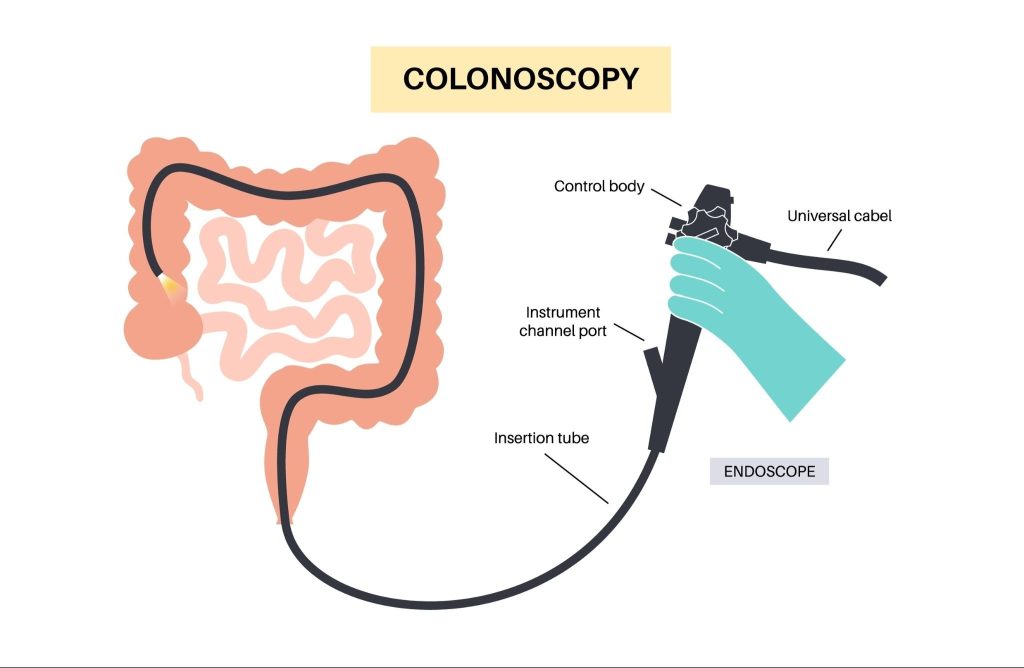
A colonoscopy is a medical procedure used to examine the inside of the colon (large intestine) and rectum. It involves the use of a long and flexible tube called a colonoscope, which has a camera and light at its tip. This allows the doctor to view the inner lining of the colon and identify any abnormalities such as polyps, tumours, or signs of inflammation.

A colonoscopy is typically performed to diagnose or rule out various gastrointestinal conditions, including:

Abnormal growths on the colon lining that can potentially develop into cancer if left untreated.

Cancer that begins in the colon or rectum, often diagnosed through the identification of tumours or other abnormal growths.

The presence of small pouches in the colon wall, which may become inflamed or infected, and lead to diverticulitis.

A group of inflammatory conditions that affect the colon and small intestine, with Crohn's disease and ulcerative colitis being the most common types.

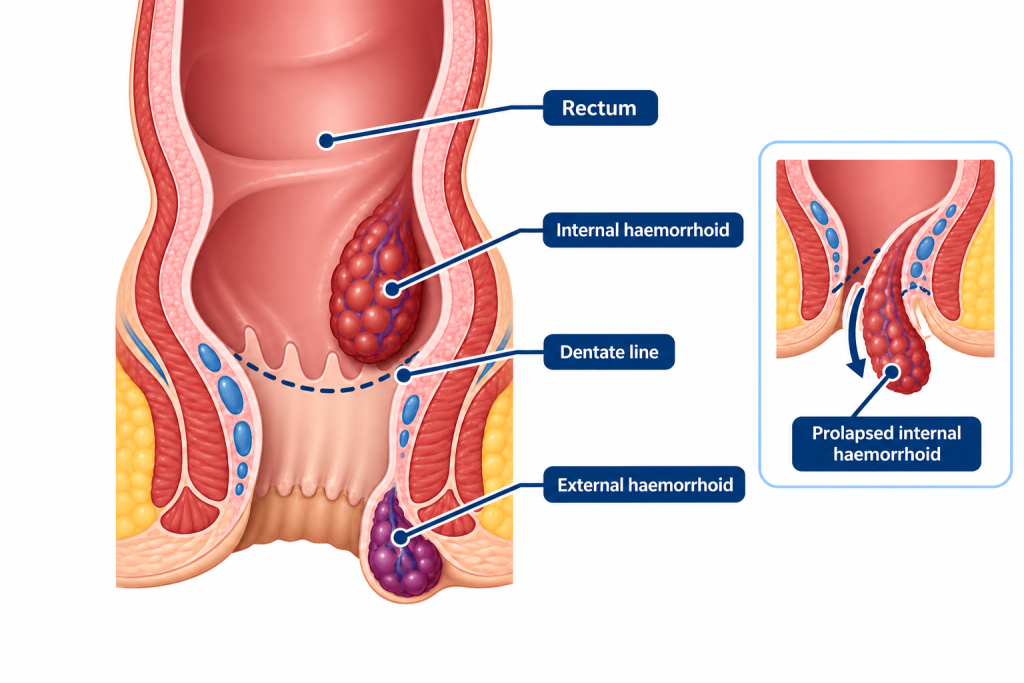
A colonoscopy can identify the source of gastrointestinal bleeding that could be due to ulcers, haemorrhoids, or other issues.

What happens during a colonoscopy? 

During a colonoscopy procedure, the patient lies on their side, and the colonoscope is gently inserted through the rectum and guided into the colon. The patient will be under mild sedation to ensure comfort during the procedure. The camera at the end of the scope sends live images to a monitor, allowing the doctor to closely inspect the colon. If necessary, the doctor may take biopsy samples or remove polyps for further examination. The entire procedure usually takes between thirty to sixty minutes.

Preparation for a colonoscopy is an important aspect of the procedure to ensure the best results. A few days before the procedure, you will be instructed to follow a special diet that mainly consists of clear liquids while avoiding solid foods. You will also need to take laxatives the day before to thoroughly empty your colon. On the day of the procedure, you will be asked to fast and refrain from eating or drinking for several hours. This helps to ensure the colon is clear and provides the doctor with the best possible view of your colon during the examination.

Key Differences Between Gastroscopy and Colonoscopy

Gastroscopy and colonoscopy are both essential procedures for diagnosing gastrointestinal conditions, but they focus on different parts of the digestive system and are used to identify distinct health issues. Understanding the differences between these two procedures can help patients make informed decisions about which procedure may be right for their symptoms. 

Here are the key differences between the two procedures: 

A gastroscopy focuses on the upper gastrointestinal (GI) tract, which includes the oesophagus, stomach, and the duodenum (the upper part of the small intestine). A colonoscopy, on the other hand, targets the lower gastrointestinal (GI) tract, specifically the colon (large intestine) and rectum.

Preparation for both procedures differs significantly. For a gastroscopy, patients typically need to fast for six to eight hours before the procedure to ensure the stomach is empty. In contrast, preparing for a colonoscopy requires more steps, including following a clear liquid diet for a few days before the procedure and taking laxatives to thoroughly empty the colon. 

A gastroscopy is commonly used to diagnose and treat conditions affecting the upper GI tract, such as acid reflux (GERD), gastric ulcers, chronic gastritis, and in some cases, early-stage stomach cancer. A colonoscopy, however, is used to investigate the lower GI tract for conditions like colon polyps, colorectal cancer, inflammatory bowel disease (IBD), and to explore causes of gastrointestinal bleeding or persistent changes in bowel habits.

A gastroscopy typically takes around ten totwelve twenty minutes, and recovery is relatively quick. Most patients experience only minor discomfort, like a sore throat or bloating, which usually resolves soon after the procedure. In comparison, a colonoscopy is slightly longer, usually taking between fifteen to twentythirty to sixty minutes, with a longer recovery period. After the procedure, some people may experience gas or bloating. Patients may also feel drowsy and require more time to fully recover from the effects of the sedative.

When Do You Need Each Procedure?

Knowing when to seek either a gastroscopy or colonoscopy is crucial for early diagnosis and effective treatment of gastrointestinal conditions. While only a doctor or gastrointestinal specialist can determine whether you need one of these procedures, understanding the key symptoms and risk factors associated with each procedure can help you take the next step, such as booking an appointment if required. 

Symptoms that may require a gastroscopy:
A gastroscopy is typically recommended if you are experiencing symptoms related to the upper gastrointestinal (GI) tract, such as:

Symptoms that may require a colonoscopy: 

A colonoscopy is generally recommended for symptoms affecting the lower GI tract, such as:

Existing conditions:
If you have existing conditions like gastroesophageal reflux disease (GERD), gastric ulcers, or inflammatory bowel disease (IBD), your doctor may recommend a gastroscopy or colonoscopy based on your symptoms or to monitor the progression of the condition. For example, a colonoscopy is often used for ongoing management of Crohn’s disease or ulcerative colitis.

Risk factors:
Certain risk factors may increase your likelihood of needing either procedure. Those with a family history of colon cancer, stomach cancer, or inflammatory bowel disease are often advised to undergo screenings. If you are over the age of 50, regular colonoscopy screenings are recommended, even without symptoms, to detect colorectal cancer early. For gastroscopy, risk factors like heavy alcohol consumption, smoking, or prolonged use of certain medications may also increase the need for examination of the upper GI tract.

Screening guidelines in Singapore:
In Singapore, colorectal cancer screening is recommended for individuals aged 50 and above who are at average risk. The Ministry of Health advises [2] regular colonoscopy screenings every ten years for those in this age group. If you have higher risk factors, such as a family history of colorectal cancer, screenings may begin earlier or be done more frequently. Gastroscopy is not part of standard screening guidelines, but may be recommended based on symptoms or family history of stomach cancer.

Understanding these guidelines and symptoms will help you know when to consult a doctor for either procedure, ensuring timely diagnosis and treatment. In some cases, both gastroscopy and colonoscopy can be performed simultaneously, depending on your doctor’s advice. This approach can be particularly beneficial for patients with symptoms that involve both the upper and lower GI tracts, reducing the need for multiple appointments and providing a more comprehensive examination in one session.

If you're experiencing gastrointestinal symptoms or need a screening, don’t wait. At Alpine Surgical, our experienced specialists are here to guide you through the process of gastroscopy or colonoscopy, while tailoring personalised treatment plans depending on the outcome of the procedure. We also offer screening packages to help detect gastrointestinal conditions like colorectal cancer and gastritis early. Contact us now to schedule a consultation. 

What to Expect After the Procedure

After a gastroscopy, most patients can resume normal activities within a few hours, although some mild discomfort, such as a sore throat or bloating, may persist temporarily. For a colonoscopy, the recovery time may be slightly longer, with patients potentially experiencing mild cramping or bloating. It’s important to follow the post-procedure care instructions provided by your doctor to ensure a smooth recovery.

Both procedures are generally safe, but like any medical procedure, they come with certain risks. Potential complications include bleeding and infection, which are rare. If you experience any unusual symptoms after the procedure, such as severe pain, fever, or persistent bleeding, it is important to contact your doctor immediately.

Your doctor will discuss the results with you after the procedure. In some cases, further treatment may be necessary depending on the findings. For example, if polyps are discovered during a colonoscopy, they may be removed and sent for biopsy. Your doctor will also recommend follow-up care to ensure your condition is properly managed and monitored over time.

How Much Do These Procedures Cost in Singapore?

The cost of gastroscopy and colonoscopy procedures in Singapore can vary based on factors such as the doctor and the specific type of procedure. Typically, the cost ranges from SGD 800 to SGD 2,500 for a gastroscopy, and SGD 1,200 to SGD 3,000 for a colonoscopy. Take note that additional tests or treatments may increase the overall cost.

For Singaporean citizens and permanent residents, Medisave can help cover part of the costs for both procedures. Private insurance coverage may also assist in reducing expenses, but the extent of this coverage will vary depending on the policy. It is advisable to contact your insurer ahead of time to understand the coverage limits.

Choosing the Right Specialist or Clinic in Singapore

When selecting a gastrointestinal specialist or clinic for your gastroscopy or colonoscopy, there are several key factors to consider. First, ensure that the specialist has the appropriate qualifications and experience. Look for doctors with recognised credentials and significant experience in performing gastrointestinal procedures. A comfortable and well-maintained facility will also contribute to a positive experience.

When you’ve scheduled a consultation with a gastrointestinal specialist, consider asking important questions such as:

Conclusion

Understanding the key differences between gastroscopy and colonoscopy can help you make informed decisions about your gastrointestinal health. Early detection and regular screenings are important for preventing serious conditions like cancer. Symptoms such as abdominal pain, bloating, vomiting, indigestion, and others associated with gastrointestinal issues can be debilitating and affect your quality of life. 

If you're experiencing symptoms or are at risk for gastrointestinal diseases, it's crucial to consult with a gastrointestinal specialist and undergo either a gastroscopy or colonoscopy to find out the root cause. These procedures can help identify underlying conditions, alleviate discomfort, give you peace of mind, and prevent the progression of more serious health issues, while ensuring your digestive system remains in good condition.

Frequently Asked Questions

Are gastroscopy and colonoscopy procedures painful?

Neither of these procedures is typically painful as sedation is commonly used to keep patients comfortable. You may feel side effects such as mild bloating or cramping afterward, but pain is rare.

How long after an endoscopy or colonoscopy can I eat? 

You should be able to eat like you normally do within 24 hours, but check with your doctor for specific instructions.

Can endoscopy remove tumours? 

Yes, endoscopy can be used to remove certain types of tumours, particularly if they are small and found early.

Why do people avoid colonoscopies?

Many people avoid colonoscopies due to fear of discomfort, embarrassment, or the bowel prep, but modern techniques make the procedure safe, quick, and usually painless. 

References

  1. Siah, K. T., Wong, R. K., Chan, Y. H., Ho, K. Y., & Gwee, K. A. (2016). Prevalence of Irritable Bowel Syndrome in Singapore and Its Association with Dietary, Lifestyle, and Environmental Factors. Journal of neurogastroenterology and motility, 22(4), 670–676. Retrieved from: https://doi.org/10.5056/jnm15148
  2. Ministry of Health Singapore. (n.d.). Colorectal cancer screening. Retrieved from https://www.moh.gov.sg/newsroom/crc-screening

A Complete Guide to Hernia Surgery in Singapore: What should I look out for?

A hernia is a common medical condition that occurs when an internal organ or tissue protrudes through a weak spot in the muscle or surrounding tissue wall. Types include inguinal (groin), femoral (upper thigh), umbilical (belly button), and incisional (at the site of a previous surgical incision) hernias. Hernias are common [1] among men and women in Singapore.  

Hernias can develop due to various factors including heavy lifting, chronic coughing, obesity, and pregnancy. If left untreated, hernias can lead to severe complications such as obstruction and strangulation which can be fatal. Keep reading to find out what you should do if you or a loved one has a suspected hernia. 

A hernia occurs when there is a visible bulge in the abdomen or groin, commonly caused by weakened muscles that allow the internal tissues to protrude.

The Need for Hernia Surgery 

Surgery is often recommended when the hernia causes symptoms or if there is a risk of complications. There is no medication treatment for hernias. Delaying treatment can lead to incarceration, where the herniated tissue becomes trapped, or strangulation [2] when the blood supply to the trapped tissue is cut off. 

If you are unsure if you’ll need hernia surgery, be aware of the common signs and symptoms that your condition is worsening. 

Symptoms to look out for include: 

Severe symptoms that require immediate medical attention include:

Risk Factors and Causes of Hernia 

Why do hernias develop? Hernias form when an organ or tissue pushes through a weak spot in the muscle or connective tissue. This weakness may be present from birth or develop over time due to strain and pressure on the abdominal wall.

Common causes and risk factors include:

Types of Hernia Surgery

Hernia surgery can be performed [3] using two primary methods: open surgery and laparoscopic (keyhole) surgery. The choice of procedure depends on factors such as the size and location of the hernia, your overall health, and your surgeon’s recommendation.

Open Hernia Surgery

In open hernia surgery, a single incision is made over the hernia site to access the affected area. The protruding tissue is carefully pushed back into place, and the weakened muscle is reinforced with sutures, often with the addition of a mesh[4] for extra support. Once the repair is complete, the incision is closed using stitches or surgical glue to promote proper healing.

This is a suitable option for one sided inguinal hernias and large or complex hernias and is generally more affordable than laparoscopic surgery. Post surgery recovery time is usually a week and post-operative pain can be controlled with oral painkillers

Laparoscopic (Keyhole) Hernia Surgery

Laparoscopic hernia surgery involves making several small incisions instead of a single large cut. A tiny camera (laparoscope) is inserted to provide a clear view of the hernia so that the surgeon can repair it using specialised surgical tools. The displaced tissue is gently repositioned, and the weakened muscle is strengthened with sutures, often supplemented with a mesh for added support. Once the procedure is complete, the incisions are closed with sutures or surgical glue. 

This minimally invasive approach offers some advantages, namely a slightly faster recovery time (compared to open surgery), slightly less post-surgical pain, reduced  scarring, and a lower risk of infection. It is particularly beneficial for patients with recurrent or bilateral hernias. However, laparoscopic surgery may be more expensive than open surgery in some cases. It also may not be suitable for very large or complex hernias.

A surgical mesh used during hernia surgery is designed to provide support while the body heals.

Choosing the Right Surgery for Hernia

The best surgical approach depends on several factors:

Choosing the Right Surgeon and Clinic in Singapore for Hernia Surgery 

Selecting the right surgeon and clinic is crucial for ensuring a successful hernia repair and a smooth recovery. A highly experienced and accredited surgeon that specialises in hernia repair procedures offers the most effective treatment options, whether through open surgery or laparoscopic techniques. 

In Singapore, hernia repair procedures are widely available, with laparoscopic surgery being the common choice due to its minimally invasive nature and shorter recovery time. However, open surgery is still performed for larger or more complex hernias. Patients should also ensure that their chosen clinic is well-equipped with modern surgical facilities and provides comprehensive post-operative care.

At Alpine Surgical Practice in Singapore, we specialise in hernia repair procedures to offer safe, effective, and minimally invasive treatments for a quicker recovery. Our experienced and accredited surgeons provide personalised care tailored to each patient's needs, ensuring comprehensive support from diagnosis to post-surgery recovery. Schedule a consultation today at Alpine Surgical Practice.

Several types of hernias occur due to various factors. Consult a doctor if you suspect you have one of these.

Cost Considerations for Hernia Surgery in Singapore 

The cost of hernia surgery in Singapore varies depending on the type of procedure and the complexity of the condition. Laparoscopic hernia repair is generally more expensive than open surgery, as it requires specialised equipment and expertise. On average, the cost of hernia surgery ranges from SGD 8,000 to SGD 15,000.

Insurance and subsidy options can significantly reduce expenses. You should check your health insurance policies to determine coverage for hernia surgery, including consultation fees, surgical costs, and hospital stays. Singapore residents may also be able to use MediSave [5] and MediShield Life [6] to help offset expenses, depending on the eligibility criteria. 

Preparing for Hernia Surgery

If you’re expecting to undergo surgery for a hernia, don’t fret as proper preparation before hernia surgery usually ensures a smooth recovery. You are typically required to undergo pre-operative assessments, including blood tests, imaging scans, and a medical review to assess your overall health and be sure that you’re a suitable candidate for surgery. It is important to inform your surgeon of any existing medical conditions or medications being taken, as some may need to be adjusted before surgery.

Patients should also follow pre-surgery precautions, such as fasting before the procedure and avoiding certain medications that could increase bleeding risk. Maintaining a healthy lifestyle before surgery can also aid in recovery. Speak to your surgeon if you have any questions or concerns about surgery.

Post-Surgery Recovery

The recovery timeline depends on the type of hernia surgery performed. Laparoscopic surgery typically allows for a faster recovery of about one to two weeks, while open surgery may require four to six weeks for complete healing. In the first few days after surgery, patients may experience mild discomfort, swelling, or bruising, which can be managed with prescribed pain medication.

To minimise complications, patients should follow post-surgery care instructions carefully. It is recommended to avoid strenuous activities, heavy lifting, and intense physical exercise for a few weeks. Other recommendations include wearing supportive garments and following a high-fiber diet with adequate hydration to prevent constipation, which can strain the surgical site. You should also make sure you attend follow-up appointments with your surgeon to monitor progress and address any concerns.

Conclusion

Timely treatment for a hernia is essential to prevent serious and life-threatening complications such as strangulation or obstruction. Consulting an experienced surgeon ensures that patients receive the most appropriate treatment for their condition, leading to better outcomes and improved quality of life.

Hernia surgery, whether open or laparoscopic, is a safe and effective procedure with high success rates. Taking a proactive approach by taking note of your symptoms, seeking specialist advice, and understanding the available treatment options can make a significant difference in recovery. With personalised care and medical guidance, you can achieve a smooth healing process and return to your daily activities with minimal disruption.

Frequently Asked Questions

Is hernia surgery considered a major surgery?

Hernia surgery is generally considered a routine and safe procedure, but it depends on the type of hernia, the surgical method, and the patient’s overall health.

How do I know if I need hernia surgery?

Surgery is typically recommended if the hernia is causing symptoms such as pain and discomfort, growing in size, or causing complications such as incarceration (trapped tissue) or strangulation (cut-off blood supply), which require emergency surgery.

How long does hernia surgery take?

Most hernia surgeries take 60 minutes to two hours, depending on the complexity and type of repair needed. Patients can often return home the same day for minor hernias, although some may require an overnight hospital stay.

Are there any risks or complications associated with hernia surgery?

As with any surgery, hernia repair carries risks such as infection at the surgical site, bleeding, or bruising. These risks can be minimised by following post-operative care instructions, such as avoiding strenuous activities, keeping the incision site clean, and attending follow-up appointments with the surgeon. Contact your surgeon immediately if you experience any complications or severe pain after hernia surgery.

Can a hernia come back after surgery?

Hernia recurrence is not common  and may happen if post-surgery precautions are not followed, such as heavy lifting. Using a mesh reinforcement during surgery lowers the risk of recurrence.

References

  1. Cleveland Clinic. (n.d.). Hernia. Retrieved from https://my.clevelandclinic.org/health/diseases/15757-hernia
  2. Healthline. (n.d.). Strangulated hernia: Symptoms, causes, and treatment. Retrieved from https://www.healthline.com/health/strangulated-hernia
  3. Olanrewaju, O. A., Saleem, A., Ansah Owusu, F., Pavani, P., Ram, R., & Varrassi, G. (2023). Contemporary Approaches to Hernia Repair: A Narrative Review in General Surgery. Cureus, 15(12), e51421. Retrieved from https://doi.org/10.7759/cureus.51421
  4. Lopes, T. C., Coelho, J. C. U., da Costa, B. P., de Souza, G. R., & de Oliveira, J. P. (2022). Hernia surgery: Current concepts and future perspectives. Annals of Medicine and Surgery, 75, 103365. Retrieved from https://doi.org/10.1016/j.amsu.2022.103365
  5. Ministry of Health Singapore. (n.d.). MediSave. Retrieved from https://www.moh.gov.sg/managing-expenses/schemes-and-subsidies/medisave
  6. Ministry of Health Singapore. (n.d.). MediShield Life. Retrieved from https://www.moh.gov.sg/managing-expenses/schemes-and-subsidies/medishield-life/medishield-life

Why More and More Young People in Singapore are Being Diagnosed with Colon Cancer

Is Colon Cancer an “Old Person’s Disease”?

The recent cancer diagnosis of Catherine, the 42-year-old Princess of Wales, has highlighted the alarming global increase in certain cancers among those below the age of 50. Not only is the news a stark reminder that cancer can strike anyone regardless of age, but this phenomenon of young-onset cancer is also prevalent in Singapore. Although many types of cancer are common in Singapore, this blog article will focus solely on colon cancer, the second leading cause of death in both men and women locally.

Contrary to popular belief, colon cancer is certainly not an “old person’s disease”. In fact, gastrointestinal specialists have noticed a worrying rising trend in the number of young people, particularly millennials, being diagnosed with colon cancer in Singapore. This shift has turned colon cancer into a significant medical concern that requires immediate attention and action. The alarming increase poses serious societal implications, including elevated healthcare costs, increased emotional and financial burdens on families, and a potential decrease in workforce productivity.

Locally, we notice the problematic trend of young Singaporeans going under the radar for colon cancer screening since they have not met the age recommendation. Although the Ministry of Health Singapore (MOH) recommends routine screening for colon cancer for those from age 50 onwards, that is merely a general guideline that does not factor in other individual risk factors. This blog article will feature a more nuanced screening guideline for colon cancer.

What is Colon Cancer?

Colon cancer, which is also called bowel cancer or colorectal cancer, begins as a polyp on the inner lining of the large intestine or rectum. While the polyps start as noncancerous (benign) growths of cells, they can grow out of control and develop into colon cancer if left untreated.

Has There Been a Higher Incidence of Colon Cancer Among Young People in Singapore Lately?

According to the Singapore Cancer Society, the incidence of cancer (including colon cancer) among individuals under 50 rose by 10.4%, from 11,416 cases in the period between 2008 and 2012 to 12,600 cases in the period between 2017 and 2021. In particular, more and more millennials, those who are aged 28 to 43 in 2024, are being diagnosed with cancer. This staggering increase has prompted gastrointestinal experts to investigate the underlying causes behind the rising cases of young-onset colon cancer. At the moment, it is not fully known what has been driving this upward trend, as more conclusive research findings are yet to be found. However, we do understand the causes of colon cancer, as the research behind this is well-established.

What are the Causes of Colon Cancer?

The development of colon cancer can be attributed to a multitude of factors spanning lifestyle, environment and genetic predisposition. These changes cause cells to overproduce uncontrollably. When cells in the colon grow and divide without regulation, polyps can form, which might become cancerous if not removed.

Lifestyle Factors Contributing to Colon Cancer

Unhealthy Diets

One of the primary lifestyle factors that makes people more prone to getting colon cancer is an unhealthy diet. The modern diet, particularly in urban areas like Singapore, often includes a high intake of foods with the following nutritional properties:

Sedentary Lifestyles

Another significant lifestyle risk factor for colon cancer is inadequate physical exercise. Many young people in Singapore spend a substantial amount of time sitting, whether at work, school, or home, often engaging in screen-based activities like watching TV, playing video games, or using computers and smartphones. Lack of exercise can lead to obesity, which is associated with a higher risk of colon cancer. Physical activity is beneficial for regulating hormone levels and enhancing immune function, both of which can reduce cancer risk.

Obesity and Metabolic Conditions

Unwholesome diets coupled with insufficient physical exercise typically lead to obesity, an important risk factor for colon cancer. Excess body weight, particularly around the abdomen, can promote cancer cell growth due to the following reasons:

Stress

Additionally, a stressful lifestyle can contribute to the development of colon cancer. While the exact mechanisms are not entirely clear, chronic stress is believed to impact cancer risk through several pathways:

Environmental Factors Contributing to Colon Cancer

Carcinogens present in polluted air and food can initiate mutations that lead to cancer development. 

Hereditary Factors Contributing to Colon Cancer

Genetics play a paramount role in the risk of developing colon cancer. People with a family history of colorectal cancer are at a higher risk. Specific hereditary conditions, such as Lynch syndrome and familial adenomatous polyposis (FAP), significantly raise the likelihood of having colorectal cancer at a younger age.

How Does Colon Cancer Screening Work?

Colorectal cancer screening is a critical tool in the early detection and prevention of cancer, and the process is as follows:

1. Undergo Preliminary Testing

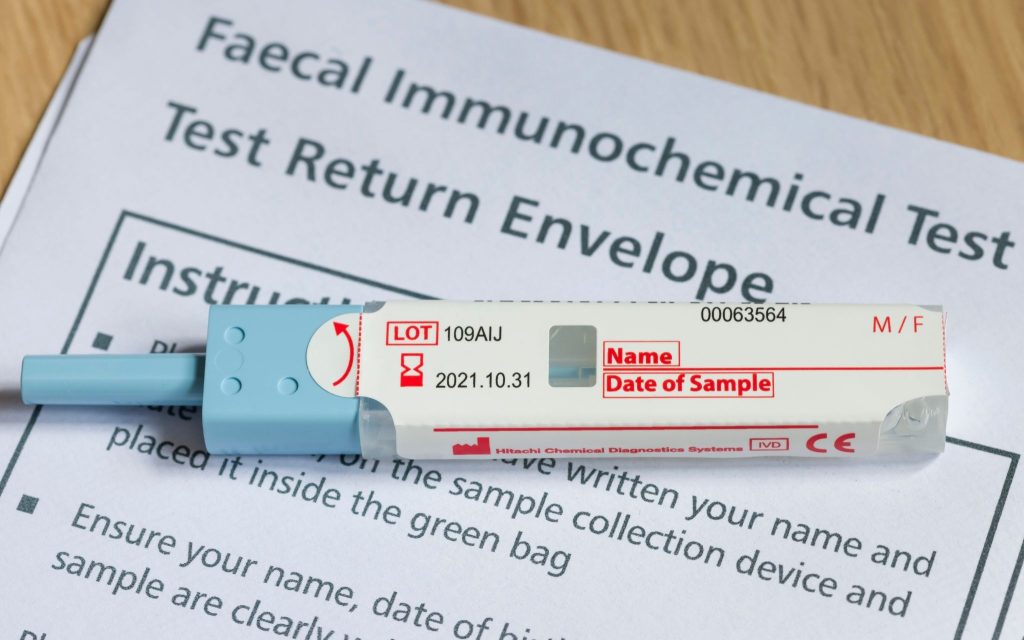
At-risk groups, especially people 50 and older, are typically encouraged to do yearly screenings by collecting stool samples. They can opt for either a Guaiac Faecal Occult Blood Test (gFOBT) or a Faecal Immunochemical Test (FIT), which are both preliminary tests that can detect gastrointestinal abnormalities.

2. Schedule an Appointment with a Colorectal Surgeon in Singapore

Patients with positive stool test results will typically be referred to a colorectal specialist who will conduct further testing to confirm the preliminary results. Colorectal specialists are medical doctors who specialise in the diagnosis and surgical treatment of gastrointestinal disorders. Depending on your medical history and the extent of the positive FOBT result, your colorectal specialist may recommend that you go through a more sensitive test, namely a colonoscopy.

3. Follow Pre-colonoscopy Procedures, Relax During the Colonoscopy, and Follow Post-Colonoscopy Guidelines

In order to prepare for your colonoscopy, you have to adhere to some pre-colonoscopy procedures for a successful and stress-free colonoscopy.

During a colonoscopy, a long, flexible and thin tube with a miniature camera and attached light (colonoscope) is inserted into the rectum to examine the colon for polyps or cancerous growths. The minimally invasive procedure typically takes less than 15 minutes and is often performed with mild sedation to reduce discomfort.

After the colonoscopy, you need to rest for about an hour to recover from the sedative used during the procedure. Our experienced staff from Alpine Surgical Practice will monitor you to ensure that you are waking up safely and not experiencing any immediate complications.

What are the Benefits of Screening for Colon Cancer in Singapore?

As pre-cancerous polyps and early-stage colon cancer tend to be asymptomatic, at-risk groups have to attend routine screenings even if they are feeling perfectly fine. Detecting abnormalities early usually leads to an improved prognosis as preventive action like removing polyps can be done.

Why Do Young People Delay Colorectal Screening?

Despite the clear benefits, young people may avoid screenings due to various barriers:

Should Young People Undergo Colonoscopies?

Colon cancer may affect younger individuals as well as older people. Despite the majority of colon cancer patients falling within the 55 to 65 age range, a significant number of cases seen by doctors today involve young adults. A 2022 study from the Hematology/Oncology Clinics of North America even projects that by 2030, roughly 15% of colon cancer cases will be diagnosed in younger adults.

Moreover, younger patients often face delayed diagnosis compared to older individuals because colorectal cancer is commonly perceived as rare in this age group. By the time most younger patients are accurately diagnosed, many are already in the advanced stages (stage 3 or 4) of cancer.

While colonoscopy is typically recommended for average-risk patients from age 50 onwards, Alpine Surgical Practice  advises scheduling one if you have:

According to the American Cancer Society, as many as 33 % of patients who develop colorectal cancer have family members who have also suffered from the illness.

Summary

Old age is but one of the many risk factors for the development of colon cancer. That is, those below age 50 can still be prone to cancer, especially if they have other risk factors, like a family history of colon cancer. Therefore, colon cancer is certainly not an "old person's disease".

The rising rates of colon cancer among young people in Singapore highlight the urgent need for increased awareness and proactive health management. Annual screenings, such as those available at Alpine Surgical Practice, can play a crucial role in early detection and prevention, potentially saving lives. It is advisable for individuals to maintain a healthy lifestyle and undergo regular screenings to optimise colon health.

Visit Alpine Surgical Practice 

In order to book a colonoscopy screening or specialist consultation with Dr Aaron Poh, Alpine Surgical Practice’s Consultant General Surgeon and Medical Director, please get in touch with us. Dr Poh is an experienced general surgeon with a subspeciality in colorectal surgery. He has conducted numerous colonoscopies, enabling patients to gain clarity about their condition and effectively treating them.

At Alpine Surgical Practice, our specialist clinic in Singapore provides a colonoscopy screening package with the following components:

Take charge of your colorectal health by scheduling a screening today.

References

1. Pooja Dharwadkar, Zaki TA, Murphy CC. Colorectal Cancer in Younger Adults. Hematology/Oncology Clinics of North America. 2022;36(3):449-470. doi:https://doi.org/10.1016/j.hoc.2022.02.005

‌2. Colorectal Cancer Risk Factors | Hereditary Colorectal Risk Factors. www.cancer.org. https://www.cancer.org/cancer/types/colon-rectal-cancer/causes-risks-prevention/risk-factors.html#:~:text=Most%20colorectal%20cancers%20are%20found

The Straits Times: Looks Good But Tastes Bad? The Science Behind Food Poisoning

Loading Viewer...

From Screen Time to Screenings: Addressing the Spike of Colon Cancer Among Young Adults in Singapore

Colon cancer is emerging as a critical health crisis in Singapore and is particularly evident in the escalating incidence rates across the globe [1]. This type of cancer, which develops in the colon or rectum, is notably insidious, often presenting no symptoms until it has advanced to a more severe stage. The result is a condition that, although highly treatable when caught early, becomes more challenging to manage later.

The situation is particularly alarming in Asia, where changing lifestyles and dietary habits seem to intersect with genetic predispositions to significantly affect colon cancer rates. Singapore, for instance, has seen a stark rise in colon cancer cases [2]. According to statistics by the National Cancer Centre Singapore [3], the number of colon cancer patients has been increasing steadily, which makes it one of the most common cancers in the nation. This trend is mirrored in neighbouring countries, which suggests a broader regional health shift that demands immediate attention.

The rising number of colon cancer cases in Singapore is more than just a statistic; it signals a pressing need to explore the underlying causes of this trend. Factors such as increased urbanisation, adoption of Western diets, and stress-related lifestyle changes contribute to this rise. In this blog, we aim to analyse the trends contributing to the increase in colon cancer cases and review effective prevention strategies. Our objective is to raise awareness of colon cancer in Singapore and provide individuals with the knowledge they need to take action to prevent colon cancer.

Colon cancer singapore
Colon cancer begins in the colon or rectum, parts of the large intestine, and is characterised by the growth of tumours in the inner lining of these organs. 

What is colon cancer, and how does it affect the body?

Colon cancer, also known as colorectal cancer, is a type of cancer that begins in the colon or rectum, which are key components of the digestive system. The colon, also known as the large intestine, absorbs water and nutrients from digested food and forms solid waste (stool). The rectum, the final segment of the large intestine, stores stool until it is expelled from the body.

This form of cancer typically starts as small, benign clumps of cells called polyps that form on the inner lining of the colon or rectum. Over time, some of these polyps can become cancerous. The progression from benign polyp to cancer can take many years, which is why screening and early detection [4] are crucial in preventing and effectively treating colon cancer. 

The body parts primarily affected by colon cancer are:

Understanding the stages of colon cancer is critical for determining treatment and prognosis. The stages of colon cancer are categorised as follows:

Each stage of colon cancer not only suggests the extent of the disease and guides the treatment strategy but also impacts the prognosis. Early detection significantly increases [5] the chances of successful treatment, highlighting the importance of regular screenings, especially for those over 50 or with risk factors for the disease.

colon cancer stages singapore
The stages of colon cancer range from Stage 0, indicating cancer in situ, to Stage IV, where the cancer has spread to distant organs. 

Why is the incidence of colon cancer rising in Singapore? 

Colon cancer rates have been rising in Singapore and around the world, which presents a significant public health concern. This increase is evident across various age groups and geographical regions, which prompts a closer look at the underlying causes and risk factors contributing to this trend.

Recent data [6]  indicate that colon cancer is no longer a disease predominantly affecting the older population. Increasingly, individuals under 50 are being diagnosed, a group previously considered at low risk. Geographical variations [7] also show that higher rates of colon cancer are found in developed regions, such as North America, Europe, and parts of Asia, including Singapore. These regions have seen a steady climb in cases over the past few decades.

Historical data comparison further underscores the rise. For instance, over the last 20 years, colon cancer incidence in young adults has increased by more than 2% per year [8] in the United States alone. Similarly, countries [9] like Japan and South Korea, which traditionally had lower incidence rates, have witnessed a rapid increase, aligning more closely with Western figures.

Research [10] suggests that this uptick may be linked to a combination of factors, including dietary habits, increased sedentary lifestyles, and environmental influences. The Westernisation of diets [11] across the globe—characterised by high consumption of red and processed meats, refined sugars, and fat, along with low intake of fibre—has been closely associated with higher colon cancer risks. Urbanisation has also led to more sedentary lifestyles [12], further elevating the risk.

Key risk factors for developing colon cancer in Singapore include:

colon cancer risks
A sedentary lifestyle coupled with a diet rich in fats and low in fibre is linked to colon cancer.

What are the first signs of colon cancer?

Identifying the early signs of colon cancer is crucial for timely intervention, which significantly enhances the chances of successful treatment and survival. Colon cancer often begins silently, without symptoms, but as it progresses, several key indicators can signal the presence of this disease. The initial symptoms of colon cancer can be subtle and easily mistaken for less serious health issues, which makes regular screening and awareness of these signs vital. Common symptoms of colon cancer include:

rectal bleeding singapore
Rectal bleeding can be a sign of colon cancer when it occurs persistently. 

Can colon cancer be cured?

The possibility of curing colon cancer depends mainly on the stage at which the cancer is detected and treated. Early detection and intervention significantly increase the likelihood of a cure, which emphasises the need for regular screening and awareness of symptoms. 

The key to curing colon cancer lies in early detection through screening. Procedures like colonoscopies not only detect cancer at its earliest and most treatable stages but can also prevent cancer by allowing for the removal of polyps before they develop into cancer. For individuals at average risk, screening should begin at age 45. Those with additional risk factors, such as a family history of colon cancer or genetic predisposition, may need to start colon cancer screening earlier.

How can you prevent colon cancer in Singapore?

Colon cancer is a formidable health challenge, but it is also one of the most preventable types of cancer. A combination of dietary and lifestyle modifications, regular screenings, and advancements in treatment options can significantly reduce risk and improve patient outcomes.

Fibre-rich diet singapore
A high-fibre diet helps reduce the risk of colon cancer by promoting healthy bowel movements and enhancing gut health.

How have recent advances improved treatment for colon cancer?

The treatment of colon cancer has evolved significantly, with several advanced options now available that improve outcomes and offer hope even in more advanced stages. The choice of treatment typically depends on the cancer stage, the patient's overall health, and specific cancer characteristics. Here’s an overview of the current mainstays in colon cancer treatment:

Surgery

Surgery is the most common treatment for localised colon cancer and may range from minimally invasive techniques to more extensive resections:

Chemotherapy

Chemotherapy is used to kill cancer cells and is typically employed when cancer has spread beyond the original tumour or to reduce the risk of recurrence:

Radiation therapy

Radiation therapy uses high-energy rays to target and kill cancer cells. While more common in rectal cancer, it is sometimes used in colon cancer for shrinking tumours before surgery or to relieve symptoms of advanced cancer.

Targeted therapies

Targeted therapies focus on specific abnormalities within cancer cells. By blocking these abnormalities, targeted drugs can cause cancer cells to die. Some of the targeted therapies for colon cancer include:

Immunotherapy

Immunotherapy is a type of treatment that uses the body's immune system to fight cancer. It is particularly effective in patients whose tumours have specific genetic markers such as high microsatellite instability (MSI-H) or mismatch repair deficiency (dMMR):

Precision medicine

Precision medicine [28] tailors treatment to the individual characteristics of each patient's cancer based on genetics, biomarkers, and other diagnostic tests. It allows doctors to select treatments that are most likely to help patients based on a genetic understanding of their disease.

These treatment options, used alone or in combination, offer comprehensive approaches tailored to the individual patient’s condition, which aims not only to treat the cancer but also to maintain quality of life through and beyond treatment. The ongoing advancements in medical research continue to enhance these treatment strategies, which offer new hope to patients facing colon cancer.

Conclusion

The increasing incidence of colon cancer globally, particularly noted in regions like Asia and among younger demographics, emphasises the critical importance of awareness, early detection, and proactive prevention measures. 

By understanding the risk factors, recognising early symptoms, and utilising the latest advancements in treatment, individuals can significantly enhance their chances of preventing or successfully managing colon cancer. 

It is essential to maintain a healthy lifestyle, participate in regular screening programmes, and stay informed about the developments in cancer care to combat this prevalent but curable disease effectively. 

References 

  1. Colorectal cancer rising among young adults—Nci. (2020, November 5). [cgvBlogPost]. https://www.cancer.gov/news-events/cancer-currents-blog/2020/colorectal-cancer-rising-younger-adults 
  2. TanCorrespondent, J. (2024, March 31). Princess of Wales’ diagnosis highligthe hts rise in cancer cases among those under 50. The Straits Times. https://www.straitstimes.com/singapore/rise-of-cancer-among-those-under-50-highlighted-by-princess-of-wales-diagnosis 
  3. Cancer statistics. (n.d.). Retrieved April 22, 2024, from https://www.nccs.com.sg:443/patient-care/cancer-types/cancer-statistics 
  4.  Álvarez-Delgado, A., García, M. L. P., García-González, J. M., de Sena, H. I., Chamorro, A. J., Gómez, M. F. L., Marcos, M., & Mirón-Canelo, J. A. (2021). Improvements in the effectiveness of early detection in colorectal cancer with open-label randomised study. Journal of Clinical Medicine, 10(21), 5072. https://doi.org/10.3390/jcm10215072 
  5. Li, D. (2018). Recent advances in colorectal cancer screening. Chronic Diseases and Translational Medicine, 4(3), 139–147. https://doi.org/10.1016/j.cdtm.2018.08.004 
  6. Sifaki-Pistolla, D., Poimenaki, V., Fotopoulou, I., Saloustros, E., Mavroudis, D., Vamvakas, L., & Lionis, C. (2022). Significant rise of colorectal cancer incidence in younger adults and strong determinants: 30 years longitudinal differences between under and over 50s. Cancers, 14(19), 4799. https://doi.org/10.3390/cancers14194799 
  7. Rawla, P., Sunkara, T., & Barsouk, A. (2019). Epidemiology of colorectal cancer: Incidence, mortality, survival, and risk factors. Przegla̜d Gastroenterologiczny, 14(2), 89–103. https://doi.org/10.5114/pg.2018.81072 
  8. Dharwadkar, P., Zaki, T. A., & Murphy, C. C. (2022). Colorectal cancer in younger adults. Hematology/Oncology Clinics of North America, 36(3), 449–470. https://doi.org/10.1016/j.hoc.2022.02.005 
  9. Wong, M. C., Ding, H., Wang, J., Chan, P. S., & Huang, J. (2019). Prevalence and risk factors of colorectal cancer in Asia. Intestinal Research, 17(3), 317–329. https://doi.org/10.5217/ir.2019.00021 
  10. Lim, S. Y., Ulaganathan, V., Nallamuthu, P., Gunasekaran, B., & Salvamani, S. (2024). Dietary patterns and lifestyle factors associated with the risk of colorectal cancer: A hospital-based case-control study among malaysians. The Malaysian Journal of Medical Sciences : MJMS, 31(1), 212–234. https://doi.org/10.21315/mjms2024.31.1.18 
  11. Mehta, R. S., Song, M., Nishihara, R., Drew, D. A., Wu, K., Qian, Z. R., Fung, T. T., Hamada, T., Masugi, Y., da Silva, A., Shi, Y., Li, W., Gu, M., Willett, W. C., Fuchs, C. S., Giovannucci, E. L., Ogino, S., & Chan, A. T. (2017). Dietary patterns and risk of colorectal cancer: Analysis by tumor location and molecular subtypes. Gastroenterology, 152(8), 1944-1953.e1. https://doi.org/10.1053/j.gastro.2017.02.015 
  12. Namasivayam, V., & Lim, S. (2017). Recent advances in the link between physical activity, sedentary behavior, physical fitness, and colorectal cancer. F1000Research, 6, 199. https://doi.org/10.12688/f1000research.9795.1 
  13. Mehraban Far, P., Alshahrani, A., & Yaghoobi, M. (2019). Quantitative risk of positive family history in developing colorectal cancer: A meta-analysis. World Journal of Gastroenterology, 25(30), 4278–4291. https://doi.org/10.3748/wjg.v25.i30.4278 
  14. Mohammad, N. M. A. B., Shahril, M. R., Shahar, S., Fenech, M., & Sharif, R. (2022). Association between diet-related behaviour and risk of colorectal cancer: A scoping review. Journal of Cancer Prevention, 27(4), 208–220. https://doi.org/10.15430/JCP.2022.27.4.208 
  15. Amitay, E. L., Carr, P. R., Jansen, L., Roth, W., Alwers, E., Herpel, E., Kloor, M., Bläker, H., Chang-Claude, J., Brenner, H., & Hoffmeister, M. (2020). Smoking, alcohol consumption and colorectal cancer risk by molecular pathological subtypes and pathways. British Journal of Cancer, 122(11), 1604–1610. https://doi.org/10.1038/s41416-020-0803-0 
  16. Diet, obesity, and colon cancer: Learn the risks | fox chase cancer center - philadelphia pa. (2021, January 28). https://www.foxchase.org/blog/diet-obesity-and-colon-cancer-learn-risks 
  17. Morris, J. S., Bradbury, K. E., Cross, A. J., Gunter, M. J., & Murphy, N. (2018). Physical activity, sedentary behaviour and colorectal cancer risk in the UK Biobank. British Journal of Cancer, 118(6), 920–929. https://doi.org/10.1038/bjc.2017.496 
  18. Colorectal cancer survival rates | colorectal cancer prognosis. (n.d.). Retrieved April 22, 2024, from https://www.cancer.org/cancer/types/colon-rectal-cancer/detection-diagnosis-staging/survival-rates.html 
  19. Chu, Q. D., Zhou, M., Medeiros, K. L., Peddi, P., Kavanaugh, M., & Wu, X.-C. (2016). Poor survival in stage IIB/C (T4n0) compared to stage IIIA (T1-2 n1, t1n2a) colon cancer persists even after adjusting for adequate lymph nodes retrieved and receipt of adjuvant chemotherapy. BMC Cancer, 16, 460. https://doi.org/10.1186/s12885-016-2446-3 
  20. Survival for bowel cancer. (n.d.). Retrieved April 22, 2024, from https://www.cancerresearchuk.org/about-cancer/bowel-cancer/survival 
  21. Aune, D., Chan, D. S. M., Lau, R., Vieira, R., Greenwood, D. C., Kampman, E., & Norat, T. (2011). Dietary fibre, whole grains, and risk of colorectal cancer: Systematic review and dose-response meta-analysis of prospective studies. The BMJ, 343, d6617. https://doi.org/10.1136/bmj.d6617 
  22. Orange, S. T. (2023). What is the optimal type and dose of physical activity for colorectal cancer prevention? Best Practice & Research Clinical Gastroenterology, 66, 101841. https://doi.org/10.1016/j.bpg.2023.101841 
  23. Bardou, M., Barkun, A. N., & Martel, M. (2013). Obesity and colorectal cancer. Gut, 62(6), 933–947. https://doi.org/10.1136/gutjnl-2013-304701 
  24. Helsingen, L. M., & Kalager, M. (2022). Colorectal cancer screening—Approach, evidence, and future directions. NEJM Evidence, 1(1). https://doi.org/10.1056/EVIDra2100035 
  25. Hansen, T. F., Qvortrup, C., & Pfeiffer, P. (2021). Angiogenesis inhibitors for colorectal cancer. A review of the clinical data. Cancers, 13(5), 1031. https://doi.org/10.3390/cancers13051031 
  26. Martinelli, E., Ciardiello, D., Martini, G., Troiani, T., Cardone, C., Vitiello, P. P., Normanno, N., Rachiglio, A. M., Maiello, E., Latiano, T., De Vita, F., & Ciardiello, F. (2020). Implementing anti-epidermal growth factor receptor (Egfr) therapy in metastatic colorectal cancer: Challenges and future perspectives. Annals of Oncology, 31(1), 30–40. https://doi.org/10.1016/j.annonc.2019.10.007 
  27. Changjiang, Y., Long, Z., Yilin, L., Shan, W., Yingjiang, Y., & Zhanlong, S. (2023). Current progress of immune checkpoint inhibitors for advanced colorectal cancer: Concentrating on the efficacy improvement. Critical Reviews in Oncology/Hematology, 104204. https://doi.org/10.1016/j.critrevonc.2023.104204 
  28. M.D, D. C. H. W. (2023, June 29). Precision cancer medicines for colon cancer. CancerConnect. https://news.cancerconnect.com/colon-cancer/precision-cancer-medicines-for-colon-cancer 

The Crucial Role of Upper Endoscopy in Managing Stomach Cancer  

Delayed Detection of Stomach Cancer

Are you aware that stomach cancer claims the lives of 300 to 500 people in Singapore annually? Even though the local incidence of stomach cancer has declined compared to the post-war years, partly because of heightened public awareness about the cancer, stomach cancer continues to be prevalent in Singapore.

Stomach cancer, also known as gastric cancer, is a condition defined by the development of malignant cancer cells (or tumours) in the stomach lining, leading to a range of symptoms and physiological implications which can be potentially deadly if left untreated.

Stomach cancer tends to remain asymptomatic during its initial stages. Consequently, two-thirds of stomach cancer cases remain undiagnosed until the cancer has become advanced, reducing the chances of effective treatment and speedy recovery.

Nevertheless, a recent discovery in diagnostic research conducted by Duke-NUS Medical School, National University Hospital (NUH), and the National University of Singapore’s Yong Loo Lin School of Medicine, offers the potential for earlier detection of stomach cancer. The breakthrough, highlighted in a December 2023 Straits Times article, unveiled a crucial genetic factor linked to changes in the stomach’s mucous lining. To be precise, individuals with intestinal metaplasia, a cellular change in the stomach's mucous membrane often resulting from chronic gastritis (inflammation of the stomach lining), have a sixfold increased risk of developing stomach cancer.

In light of this discovery, doctors are encouraged to order genetic tests, such as straightforward and cost-effective blood tests, to identify individuals at a significantly high risk of getting stomach cancer. This advancement holds the promise of enabling at-risk patients to receive an earlier confirmed diagnosis and timelier treatment, leading to accelerated recovery and an overall enhancement in their quality of life. It provides valuable clinical data that could aid precision prevention (preventing diseases with a highly targeted and individualised approach) and precision treatment (tailoring treatment by considering factors such as a person's genetic makeup, lifestyle, and environment) of stomach cancer.

Risk Factors for Stomach Cancer

Aside from the aforementioned risk factor of preexisting stomach conditions such as chronic gastritis, there are other key risk factors which have proven to contribute to its development:

Red Flags that Could Indicate Stomach Cancer

Stomach cancer is often labelled as a ‘silent enemy’ as it typically goes unnoticed until it reaches advanced stages, posing significant risks to its patient’s health. Understanding the signs of stomach cancer is crucial for early detection:

According to General Surgeon Dr Aaron Poh who has a subspeciality in Colorectal surgery, the presence of these symptoms does not necessarily mean that you have stomach cancer, as some patients in Singapore do not have these symptoms upon their diagnosis. As such, if you are experiencing persistent issues with your stomach, such as chronic gastritis, you need to identify the root cause of your issues and treat them promptly.

Precision Prevention Through Timely Detection of Stomach Cancer

Also known as EGD (Esophagogastroduodenoscopy) and upper endoscopy, gastroscopy facilitates the early detection of stomach cancer. Gastroscopy is a medical procedure involving a gastrointestinal specialist who evaluates the oesophagus (the tube linking the throat and stomach), stomach, and small intestine (duodenum). This safe, minimally invasive examination is conducted using a slender and flexible device known as an endoscope.

The following points highlight the various capabilities of gastroscopy in managing stomach cancer. 

Detecting Precancerous Lesions and Stomach Cancer

Gastroscopy allows for the direct visualisation of the stomach lining, enabling the identification of precancerous lesions such as intestinal metaplasia or high-grade dysplasia or carcinoma-in-situ. Detecting these early warning signs offers a window of opportunity for intervention before any tumour develops. 

Out of the existing screening technologies currently available, gastroscopy also stands out as being the most sensitive test for detecting stomach cancer. This means that it excels in accurately identifying individuals with gastric cancer (true positives) while minimising the chance of false negatives.

Screening High-Risk Individuals

Precision prevention involves tailoring screening advice based on individual risk profiles. Your colorectal surgeon may recommend that patients with the aforementioned risk factors or any history of chronic stomach issues undergo regular upper endoscopy screenings. This targeted screening approach allows surgeons to monitor high-risk individuals closely and detect stomach abnormalities at their earliest stages, while lowering the risk of unnecessary screenings for those with low risk. 

Creating Tailored Surveillance Programmes

Utilising clinical data from upper endoscopy, colorectal surgeons can design personalised monitoring plans for those at high risk of developing stomach cancer, advising more frequent surveillance for such patients.

Precision Diagnostics and Treatment 

Treatment for non-cancerous polyps or ulcers: If a polyp is detected, your colorectal surgeon may choose to perform a biopsy or remove the polyp during the endoscopic procedure. Polypectomy, Electrocautery, or laser-based treatments are some of the common procedures used to remove polyps.

Localised treatment of early-stage cancer

When stomach cancer is detected at an early stage, upper endoscopy can be used as a precise tool for localised treatment. Endoscopic mucosal resection (EMR) or endoscopic submucosal dissection (ESD) can be performed to remove small, localised tumours without the risks involved in invasive surgeries. Localised treatments also allow for a faster postoperative recovery period in comparison to traditional invasive surgeries. 

Visit Alpine Surgical Practice 

If you are grappling with persistent stomach issues such as indigestion, unexplained weight loss, or chronic discomfort, taking action now can make a significant difference. Early detection and understanding of the root cause of your symptoms can pave the way for effective management and improved gut well-being. Contact Alpine Surgical Practice today to schedule a consultation with Consultant General Surgeon Dr Aaron Poh, who has double subspecialties in Colorectal and Trauma Surgery. 

Alpine Surgical Practice offers a comprehensive gut health screening package that would help you understand more about your gut health and the underlying causes of your stomach issues. 

References

  1. Gupta R, Reddy DN. Endoscopic stent placement combined with tumor ablation therapy. Gastrointestinal Intervention. 2015;4(1):27-30.
    doi:https://doi.org/10.1016/j.gii.2015.05.001
  2. Information NC for B, Pike USNL of M 8600 R, MD B, Usa 20894. What Happens during a Gastroscopy? Institute for Quality and Efficiency in Health Care (IQWiG); 2015.
    https://www.ncbi.nlm.nih.gov/books/NBK310264/
  3. Sitarz R, Skierucha M, Mielko J, Offerhaus J, Maciejewski R, Polkowski W. Gastric cancer: epidemiology, prevention, classification, and treatment. Cancer Management and Research. 2018;Volume 10:239-248.
    doi:https://doi.org/10.2147/cmar.s149619
  4. Tan J. Local research on stomach cancer makes breakthrough in potential early detection. The Straits Times.
    https://www.straitstimes.com/singapore/local-research-on-stomach-cancer-makes-breakthrough-in-potential-early-detection. Published December 20, 2023. Accessed January 2, 2024.

What to Do if My Stool Test (FOBT/ FIT) is Positive? 

A stool test, such as the Fecal Occult Blood Test (FOBT) or Fecal Immunochemical Test (FIT), is a non-invasive kit available in Singapore that can detect hidden blood in the stool often unidentifiable by the naked eye. It is a prevalent method used to screen for colorectal cancer or other fundamental issues that result in bleeding within the digestive system.

Receiving a positive FOBT/FIT result can be a scary moment for some people. However, it's essential to understand that a positive result does not necessarily indicate a dire medical condition like colon cancer. In this article, we'll focus on the crucial next steps to take in Singapore if your FOBT/FIT stool test result comes back positive, guiding you through the process and providing clarity during this potentially worrisome time.

What types of stool tests exist in Singapore?

There are two types of FOBT stool tests which can detect gastrointestinal abnormalities:

1. Fecal Immunochemical Test (FIT or iFOBT): the FIT utilises a spatula or brush to gather a specimen of your stool, which is then enclosed within a container for subsequent laboratory analysis. 

2. Guaiac Fecal Occult Blood Test (gFOBT): the gFOBT entails applying a stool sample to the designated test card using an applicator, followed by sealing the card within a container for subsequent laboratory evaluation.

FOBT vs FIT: What is the difference?

The FOBT is a general umbrella term that encompasses the FIT and gFOBT. Both are stool tests that serve as effective initial screening tools to identify potential gastrointestinal issues. However, FIT is more sensitive and specific compared to gFOBT, thus the former is generally more accurate.

Are the results from the FIT accurate?

The FIT reportedly has a moderate to high accuracy in detecting digestive disorders. Its efficacy as a first-stage screening tool has been backed up by robust clinical studies such as population-based randomised trials. For example, a 2013 study published in the reputable Singapore Medical Journal supports the finding that using the FIT can decrease mortality from colorectal cancer. This is because it contributes to the early detection of colorectal cancer, which often leads to more successful treatment outcomes.

In the study, 8% out of the 8,156 active participants received positive FIT results. After which, 494 of them underwent further diagnostic screening. Close to half of them were diagnosed with a digestive disorder following colonoscopy, which alligns with their positive FIT results.

Main takeaway: the FIT serves as a moderately accurate first-stage screening tool for colorectal abnormalities. 

Where can I get the FIT stool test in Singapore?

As colon cancer is the most prevalent cancer in Singapore, the Singapore Cancer Society distributes free FIT stool test kits to encourage people to get screened. Singaporeans and Permanent Residents above 50 years old can conveniently collect FIT kits from designated pick-up points.

What does a positive FOBT stool test indicate?

When blood is detected in your stool, you get a positive FOBT result. This could be an early indicator for a range of gastrointestinal conditions, including anal fissures, ulcers, polyps, haemorrhoids, and potentially colorectal cancer

What happens after a positive FOBT test?

1. Do not panic and worry

If you have a positive FOBT result, remember that it is not an immediate cause for alarm. Since FOBT solely identifies the existence of blood, further examinations will be necessary to pinpoint the origin of the bleeding. FOBT may yield false-positive results because of non-cancer-related conditions causing gastrointestinal bleeding. In a similar vein, it can also lead to false negatives if your cancer or polyps do not bleed. Hence, it would be best to remain calm as further testing is required before a proper diagnosis can be made. 

2. Book an appointment with a colorectal specialist

Contrary to common belief, you do not necessarily require a GP referral letter to see a colorectal specialist in a Singapore private clinic. If you would like to streamline the consultation process, you can book an appointment with a colorectal specialist directly after you get your positive FOBT results.

A colorectal specialist, also known as a colorectal surgeon or proctologist, is a medical doctor who specialises in the diagnosis as well as surgical treatment of gastrointestinal and digestive disorders. Hence, colorectal surgeons should be your go-to doctors for FOBT and colon cancer concerns.

3. Attend the colorectal specialist consultation 

Depending on your health history and the extent of the positive FOBT result, your colorectal surgeon may recommend further tests with higher sensitivity. A common recommendation is a colonoscopy, the gold standard for detecting colorectal cancer, which enables direct visualisation of the colon. 

If you are worried about your upcoming colonoscopy, actively asking questions about the details of the procedure during the consult can allay your anxiety since it may reduce your fear of the unknown. Although the fear of colonoscopy is common, it is actually a safe and straightforward procedure. Regardless of age or underlying medical problems, most patients can undergo colonoscopy safely.

4. Prepare for your colonoscopy

You need to adhere to some pre-colonoscopy procedures for a successful and stress-free colonoscopy. Adhere closely to the guidance of your colorectal surgeon. Staying compliant with these directions is essential for obtaining accurate diagnostic insights.

5. Attend your colonoscopy and book the next colonoscopy

Rest assured that colonoscopy is not painful. Patients undergoing colonoscopy will be given sedative drugs to minimise discomfort. The sedative drugs also have some amnesia effect to minimise memories of the event.  

After the examination, it typically takes approximately one hour to initiate the recovery process from the sedative. As the complete effects of the sedative may persist for up to a day, it is necessary to arrange for someone to accompany you home. Refrain from driving, making significant decisions, or returning to work for the remainder of the day.

Finally, remember to book your next routine colon cancer screening appointment. For a colonoscopy performed with a well-cleansed colon and adequate polyp removal, the next scope can be performed in 5 years. 

Visit Alpine Surgical Practice

A positive FOBT result serves as a stepping stone toward proactive healthcare. It is meant to be an initial screening tool rather than cause immediate worry. The stool test kit result is insufficient for a diagnosis of colon cancer. Thus, follow-up tests with higher sensitivity are necessary.

For a safe and effective colonoscopy, book an appointment with colorectal surgeon Dr Aaron Poh, the Medical Director at Alpine Surgical Practice. He is a trusted colorectal specialist with a proven track record of doing colonoscopies.

References

  1. Cleveland Clinic. Fecal Occult Blood Test (FOBT). Cleveland Clinic. 2023. https://my.clevelandclinic.org/health/diagnostics/24227-fecal-occult-blood-test-fobt#:~:text=What%20does%20a%20positive%20fecal,to%20talk%20about%20next%20steps. Accessed August 22, 
  2. Mayo Clinic. Colonoscopy. Mayo Clinic. 2021. https://www.mayoclinic.org/tests-procedures/colonoscopy/about/pac-20393569 Accessed August 22, 2023. 
  3. Singapore Med J 2013; 54(4): 220-223 doi: 10.11622/smedj.2013077  Accessed August 23, 2023. 

Expat Living: Internal Affairs - Screening to Help Prevent a Common Cancer

Loading Viewer...

The Straits Times: Victims of wife-sharing rape faced real medical risks when given sedatives, alcohol: Doctor

Loading Viewer...

The Straits Times: Food meant for migrant workers left unattended outside dormitories; MOM investigating

Loading Viewer...

How to Get Rid of Pilonidal Cysts

What are pilonidal cysts?

A pilonidal cyst, also known as a pilonidal sinus, refers to an unusual pocket in the skin that collects hair and skin debris, and they are usually found in the skin at the crease of the buttocks, near the tailbone.

Pilonidal cysts are found most commonly among young adult males in Singapore. It is also linked to:

They are usually caused when ingrown hairs or loose hairs puncture the skin. Ingrown hairs can happen due to excessive friction and pressure on the area due to things such as tight clothing, rubbing of wet skin, cycling, or prolonged sitting. When we get an ingrown hair, our body builds a sac around it in an attempt to push the hair out. This sac eventually grows to become a cyst, which then expands over time if left untreated.

Is it serious?

A pilonidal cyst may not cause any symptoms and are more often than not benign. However, pilonidal cysts can become infected, and this can result in the skin around the cyst becoming inflamed, swollen and painful. If this occurs, the cyst can be drained through a small cut on the skin, although sometimes surgery may be required if the cyst becomes too large to drain.

Symptoms

Symptoms of pilonidal cysts include: 

Will a pilonidal cyst go away on its own?

Pilonidal cysts can never truly go away on their own because the tract (sinus cavity) is already there, and it has potential to get infected again. You may, however, find relief by applying a hot, wet compress to drain the pus and relieve pain. 

Having recurrent infections can be uncomfortable, painful, costly to treat, and may even be life-threatening if it leads to abscesses (swollen pockets of infection) and sinus cavities (empty spaces underneath the skin). If infections are left to go on without treatment for a long time, there is also an increased risk of developing a type of skin cancer called squamous cell carcinoma.

Treatment

A minor in-clinic procedure can help get rid of the pilonidal cyst. This involves the excision of the pilonidal cyst done under local anaesthesia. 
The surgeon will make a cut in the skin and remove the cyst, as well as the contents within it. The wound is then stitched up and packed with gauze. Antibiotics may be prescribed afterwards.

How long does it take to recover from pilonidal cysts surgery in Singapore?

If the incision is closed with stitches, it may take about 4 weeks to completely heal.

Is pilonidal cyst surgery painful?

Before the surgeon performs the procedure, local anaesthesia is administered so that you feel as little pain and are kept as comfortable as possible.

How long does pilonidal surgery take?

Pilonidal surgery takes about 45 minutes to perform.

How long after pilonidal surgery can I shower?

You may shower 24 hours after your procedure. Use water and mild soap to clean the area near the cyst to keep it clean and prevent infection.

Can antibiotics heal pilonidal cysts?

No, antibiotics do not heal pilonidal cysts. They will need to be opened and drained. Antibiotics can, however, be prescribed after the procedure to prevent any spread of infection.

Summary

Pilonidal cysts are not uncommon in Singapore, especially among young adult men. If you experience similar symptoms, especially near your tailbone, please seek medical treatment. A simple 45-minute procedure may help prevent complications, such a severe infections, from happening.

References

Pyon, Rachel E., et al. “Chronic Pilonidal Cyst with Malignant Transformation: A Case Report and Literature Review.” National Library of Medicine, PubMed Central, 17 March 2022, https://www.ncbi.nlm.nih.gov/pmc/articles/PMC9018021/. Accessed 7 February 2023.

Saleh, Naveed. “Pilonidal Cyst Surgery: Preparation, Recovery, Care.” Verywell Health, 18 October 2022, https://www.verywellhealth.com/treatment-for-pilonidal-cyst-1124172. Accessed 7 February 2023.
Wilson, Debra Rose, et al. “Pilonidal Cyst Home Treatment: Home Remedies, When to See a Doctor.” Healthline, https://www.healthline.com/health/pilonidal-cyst-home-treatment. Accessed 7 February 2023.

The Complete Guide to Resistant Starch 2023

The Complete Guide to Resistant Starch

Resistant starch: The new superfood?

Resistant starches are more common than we think-from grains and legumes to potatoes
and rice that have been cooked and cooled. For years, the realm of dieting and healthy
eating painted a bad picture of carbohydrates. Mention anything carby, and we generally
associate it with something negative or, at the very least, fattening. How about resistant starches?

We wouldn’t go so far as to consider resistant starches as superfoods, but they are a form of
dietary fibre and hold a myriad of digestive health benefits. They also have fewer calories than regular starch, which make them an ideal addition to your diet if you’re watching your weight.
There are 4 types of resistant starches (RS):

How does resistant starch work?

Most of the carbohydrates in your diet are starches- long chains of glucose found ingrains, potatoes and various foods. What’s important to remember is that not all the starch you consume gets digested.

Some of these starches are resistant to digestion and pass right through your digestive tract and cannot be digested in the small intestine. Therefore, it functions like a soluble, fermentable fibre. In the large intestine, resistant starch helps nourish the good bacteria in your digestive system.

Resistant starch has been gaining more importance with its positive benefits on our gut and its myriad of health benefits- from prebiotics, laxation, hypocholesterolemic and hypoglycemic effects and reducing the risks of ulcerative colitis and colon cancer.

The Complete Guide to Resistant Starch

What are the health benefits of resistant starch?

As mentioned earlier, resistant starch’s resistance to enzymatic digestion allows it to pass right through your digestive tract to your colon. There, it helps nourish the good bacteria in your microbiome. This fermentation process releases short-chain fatty acids (SCFAs), which are thought to play an important role in colon health, cancer prevention and reducing inflammation.

Resistant starch helps to:

What foods are high in resistant starch?

Some examples of foods high in resistant starch include:

Is resistant starch bad for Irritable Bowel Syndrome (IBS)?

Too much fibre can worsen IBS symptoms. Resistant starch may actually be good for the colon and aids in various digestive disorders.

That said, when resistant starches are broken down during fermentation in the gut, gas is produced, which may cause bloating and pain.

Ultimately, it is dependent on the symptoms you experience. It is best to include more resistant starch in your diet slowly to ensure that your body can tolerate it without aggravating your IBS symptoms.

Is there such a thing as too much resistant starch?

There is generally very little risk with consuming too much resistant starch. Too much resistant starch may lead to gas or bloating.

Summary:

Resistant starch is paramount in supporting a healthy gut microbiome, and an intake of 15-20g a day would suffice.

Hopefully, this article helped shed some light on some staple foods we might already have in our kitchens, such as green bananas and whole grains such as barley and oats.

If you’d like to know more about your gut health, book a consultation with us for a thorough examination with Dr Aaron Poh.


References

  1. Gunnars, Kris, and Rudy Mawer. “Resistant Starch 101 — Everything You Need to Know.” Healthline, 3 July 2018, https://www.healthline.com/nutrition/resistant-starch-101#how-to-add.
    Accessed 27 December 2022.
  2. Marengo, Katherine, and Joseph Nordqvist. “Resistant Starch: What to know.” Medical News Today, 22 November 2019, https://www.medicalnewstoday.com/articles/327094.
    Accessed 27 December 2022.
  3. Mikstas, Christine. “What Are Resistant Starches? Types, Benefits, and More.” WebMD, 1 September 2021, https://www.webmd.com/diet/what-to-know-resistant-starches.
    Accessed 27 December 2022.
  4. Weisenberger, Jill. “Resistant Starch — This Type of Fiber Can Improve Weight Control and Insulin Sensitivity.” Today's Dietitian, https://www.todaysdietitian.com/newarchives/090112p22.shtml.
    Accessed 27 December 2022.